Pokémon
Pokémon Diamond (Spicy)
Pokémon Diamond (Spicy) is a $999 Courtyard Pokémon mystery pack with a calibrated expected value of $1,184.34, worth $1,001.95 at its observed 85% buyback — a cash-out ratio of 1.003x (1.186x at sticker FMV), so it currently pays out more than it costs on average, after Courtyard's buyback haircut (+EV). 30.5% of 59 indexed pulls met or beat the pack price. Rip Advisor verdict: CAUTION (64/100).
Ranked #7 of 76 ranked packs by cash-out ratio, #1 of 14 Pokémon packs.
This pack is no longer sold on Courtyard — the numbers below are its historical record.
Cash-out ratio
1.003x
$1,001.95 back on a $999 pack, at this pack's observed 85% buyback. At sticker FMV it is 1.186x.
95% range $771.84–$1,232.06 — that still includes the $999 price, so this edge is inside the noise of the sample.
- Calibrated EV
- $1,184
- Cash-out EV
- $1,002
- Pack price
- $999
- Typical pull
- $848
- Hit rate
- 30.5%
- Lifetime EV
- $1,064
- Pulls indexed
- 59
- Last pull
- 3d ago
01 / Rip Advisor
Is Pokémon Diamond (Spicy) worth it right now?
- The average only beats the price because of one card. Drop this pack's single biggest recent pull and cash-out EV falls to $872.12 against a $999 price — so the buy case rests on that one pull repeating.
- Cash-out EV is $1,002 on a $999 pack (0.3% net after the ~85% buyback) — the average rip beats the price.
- Cash-out EV is $1,001.95 against a $999.00 price, and that gap is smaller than the uncertainty around it — the 95% range is $771.84 to $1,232.06. On this sample the pack cannot be told apart from break-even in either direction.
- The typical pull (median) is $848 — most rips return less than the pack price; the EV is carried by rare chase cards.
- Recent pulls are averaging 10.8% above where they were 7 days ago. A restock would look like this; so would a lucky week. We cannot see inventory, so this is a change in what came out, not a confirmed change in what is in there.
- Calibrated EV (recent pulls weighted) is $1,184 vs $1,064 lifetime — the pool has improved recently.
- 30.5% of pulls meet or beat the pack price, across 59 indexed pulls.
Downside · bottom-quartile rip
−$438
1 in 4 rips returns ≤ $561 cash — covering 56% of the price.
Upside · top-decile rip
+$609
1 in 10 rips returns ≥ $1,608 cash. Both figures use the observed buyback ratio.
Verdict is computed transparently from indexed pulls: cash-out ROI, median pull, 7-day trend, hit rate, and sample size. Redemption shipping (typically $16+) is not included — cards worth less than a few times the shipping cost are usually better instant-sold than shipped. Not financial advice.
02 / Pool signals
What's happening in the Pokémon Diamond (Spicy) pool
EV up 11% in 7 days and recent pulls run above lifetime — a restock signal, not a confirmed restock.
EV up 11% in 7 days and recent pulls run above lifetime — a restock signal, not a confirmed restock.
Pro adds the Pool Health score and chase-removal impact.
Not observable: packs remaining, value remaining, and which chases are still in the pool — Courtyard publishes a pull feed, not inventory. We label those unavailable rather than estimate them. Everything above is computed from indexed pulls and EV snapshots; thin or stale data pulls the score toward neutral. Formula
Chase tracker
chase tier ≥ $4,995 · confidence 89%No chase-tier pulls (≥ $4995) observed in the last 30 days.
Removals are facts; what's left is not. Each row is a unique graded card observed leaving this pack, so it is no longer in the pool — though a card can return after a buyback, which is why re-listings are flagged. We show no “chance it remains”: Courtyard publishes pulls, not inventory, so that number would be guesswork. Formula
Signal lifetime
SIGNAL Stale · 3 days agoNo new pulls for well past this pack's usual gap (typically 9.0 h). It may be paused, sold out, or no longer indexed. At the observed pull rate, half the evidence behind this read is replaced in about 22 days.
- Newest pull
- 3 days
- observed
- Pull rate
- 2.7/day
- observed
- Pulls, 7d
- 8
- observed
- Half-life
- Pro
Aged, not predicted. Half-life counts how fast new evidence arrives, measured from real pull timestamps — it is not a forecast of where EV is heading. We publish no EV-drift half-life because our snapshot history is still too short for a regression to mean anything. The seeded placeholder points this note used to warn about have been flagged in the database and excluded from every chart, trend and score, so what you see plotted is observed data. Note the headline EV is decay-weighted, so it reacts to new pulls sooner than this whole-sample horizon implies. Methodology
03 / Contents
What has come out of Pokémon Diamond (Spicy)
By era
Cards seen range from 1996 to 2025.
- Retro (2000-2009)47%$1,062 avg
- Modern (2010-2019)31%$977 avg
- Current (2020+)14%$1,224 avg
- Vintage (pre-2000)8%$1,134 avg
Most common sets
Sets these pulls came from.
- Pokémon Aquapolis3%$2,073 avg
- Pokémon Game3%$1,982 avg
- Pokémon Rocket3%$751 avg
- Pokémon Sun & Moon Unified Minds3%$1,306 avg
- Pokémon Sword & Shield Lost Origin3%$2,214 avg
- Pokémon VS3%$891 avg
- Pokémon XY Promo3%$1,483 avg
- EX Holon Phantoms2%$850 avg
Cards seen most often
Named on 98% of readable pulls. The rest do not print a card number, and without one the card cannot be told apart from the set name.
- Charizard5%$1,593 avg
- Giratina V3%$2,214 avg
- Latios3%$766 avg
- Pikachu3%$730 avg
- Alakazam 4 LV.X2%$588 avg
- Alakazam EX2%$603 avg
- Blastoise2%$936 avg
- Brigette2%$848 avg
Built from the 59 indexed pulls of this pack so far — a record of what has come out, not a promise about what is left.
04 / Floor safety
Pokémon Diamond (Spicy) floor safety & buyback reality
In Pokémon Diamond (Spicy), the top 2% of pulls account for 10% of all pulled value — low dilution. Value is spread fairly evenly across the pool, so the average is close to what a typical rip returns. The observed instant-offer ratio is 85% of FMV, which is the cash number every verdict on this page already uses.
Floor safety
low dilution10% of everything this pack has paid out came from just the top 2% of pulls. Value is spread broadly across pulls, so the average sits closer to the typical rip here than it does on a top-heavy pack. It still sits above the median — check both.
Buyback reality
84.6% of FMV observedAcross 58 indexed pulls that carry a recorded bid, a $100 FMV pull cashes out around $85 if you instant-sell — in line with the platform's 84.6%. This is the figure every verdict on the site multiplies by.
Holding, listing, or physically redeeming can beat the instant offer — but redemption shipping (typically $16+) eats small wins.
Net exit value
58 paired pulls · 98% bid coverage · confidence 88%Instant-selling the average (mean) pull here returns $901.66 — $164.13 below sticker FMV (15.4% haircut). That figure is the average of bids we actually recorded, not the platform rate applied blind.
Pro compares all three exits side by side, with the redemption breakeven and the value-by-value haircut curve for this pack.
Bids are recorded, resale is not. Instant-buyback figures are real offers captured at index time and can move. Redemption shipping starts near $16 in the US, is higher internationally, and is charged per shipment — batching pulls lowers it. We publish no resale estimate, liquidity score, or time-to-sell, because no such data is available to us. How buyback works
05 / Observed odds
Pokémon Diamond (Spicy) odds — observed, not posted
Across 59 indexed pulls, 30.5% returned at least the $999 pack price and 8.5% returned double or more; the single best recorded pull is $3,552.
- Under $500
- $500 – $999
- $999 – $1,998 · beats the pack
- $1,998 – $4,995 · big hit
- $4,995+ · chase
Observed across 59 indexed pulls — what actually came out of this pack, independent of the posted odds. The 48h column shows tier drift: a falling green tier means fewer of the good cards have come out lately — which may mean they are running out, or may just be a quiet 48 hours.
06 / Simulator
Pokémon Diamond (Spicy) rip simulator
- Cost
- $4,995
- Expected cash-out
- $5,010
- Expected net
- +$15
- ≥1 hit chance
- 83.8%
Recent pool: pulls are weighted so newer ones count for more, the same basis as this pack’s headline, verdict and the budget tool. The 59 pulls behind the hit chance are unweighted either way, and the 85% buyback is applied to both. These two disagree here: $2.95 per pack recent-weighted against -$98.85 all-time. The pool has moved, so which number you want depends on whether you think the recent run continues. Averages describe many rips — any single rip can land anywhere on the distribution.
Monte Carlo · 10,000 trials
P(profit) 29.4%
Mean net −$498
Cost $4,995
- Worst 5%
- −$2,004
- Bottom quartile
- −$1,381
- Median
- −$682
- Top quartile
- +$184
- Best 5%
- +$1,663
Bootstrap resampling of 59 observed pulls with the 85% cash-out applied. Every pull is drawn with equal probability, so this is an all-time average: it will sit below the headline whenever the recent pool has run better than the lifetime one, and above it when the reverse is true. It also assumes the pool doesn't change as you rip — for top-heavy packs the downside is understated once the grail leaves. Estimates, not financial advice.
07 / Big hits
Biggest Pokémon Diamond (Spicy) pulls
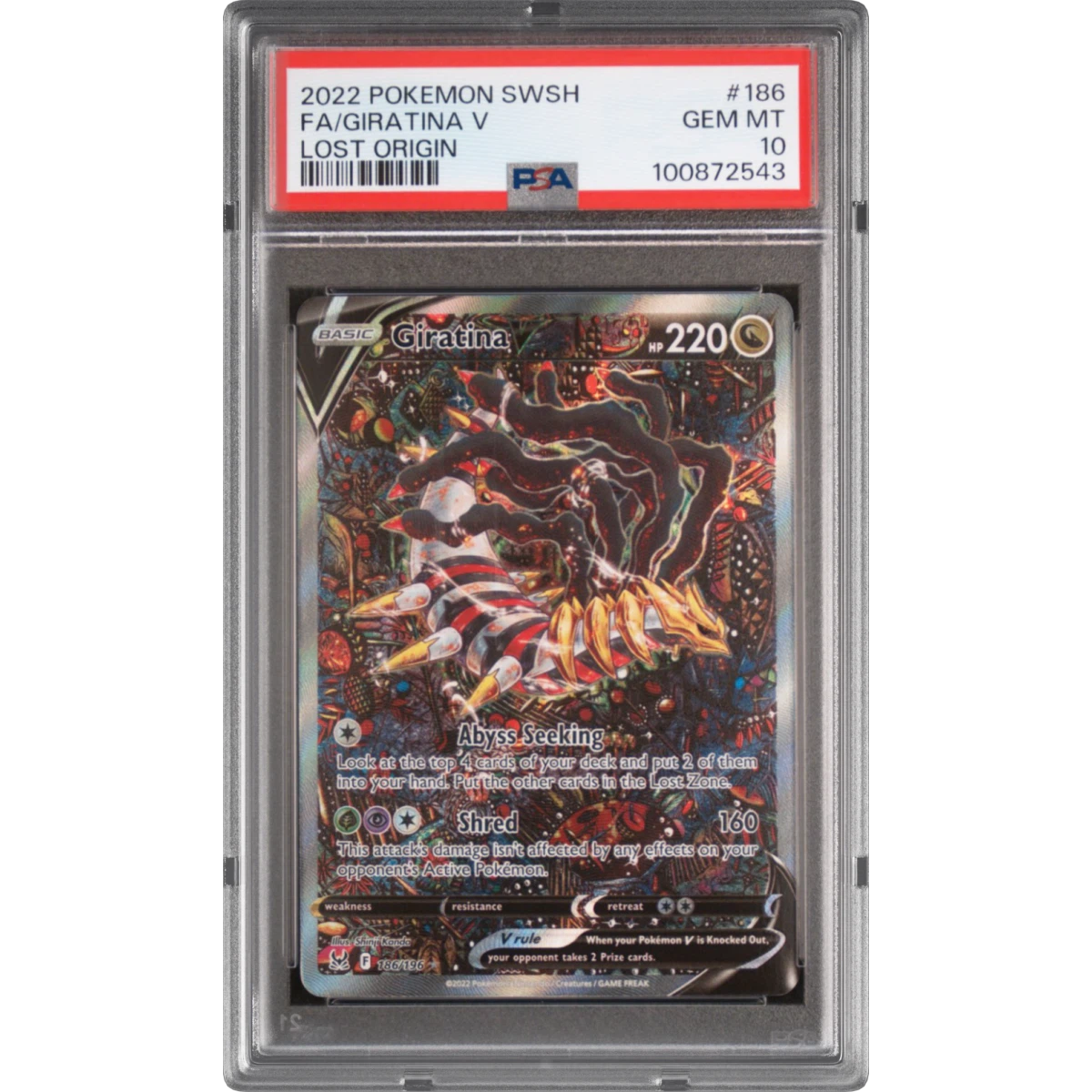
2022 Pokémon Sword & Shield Lost Origin #186 Giratina V - Holo Full Art (PSA 10 GEM MINT)
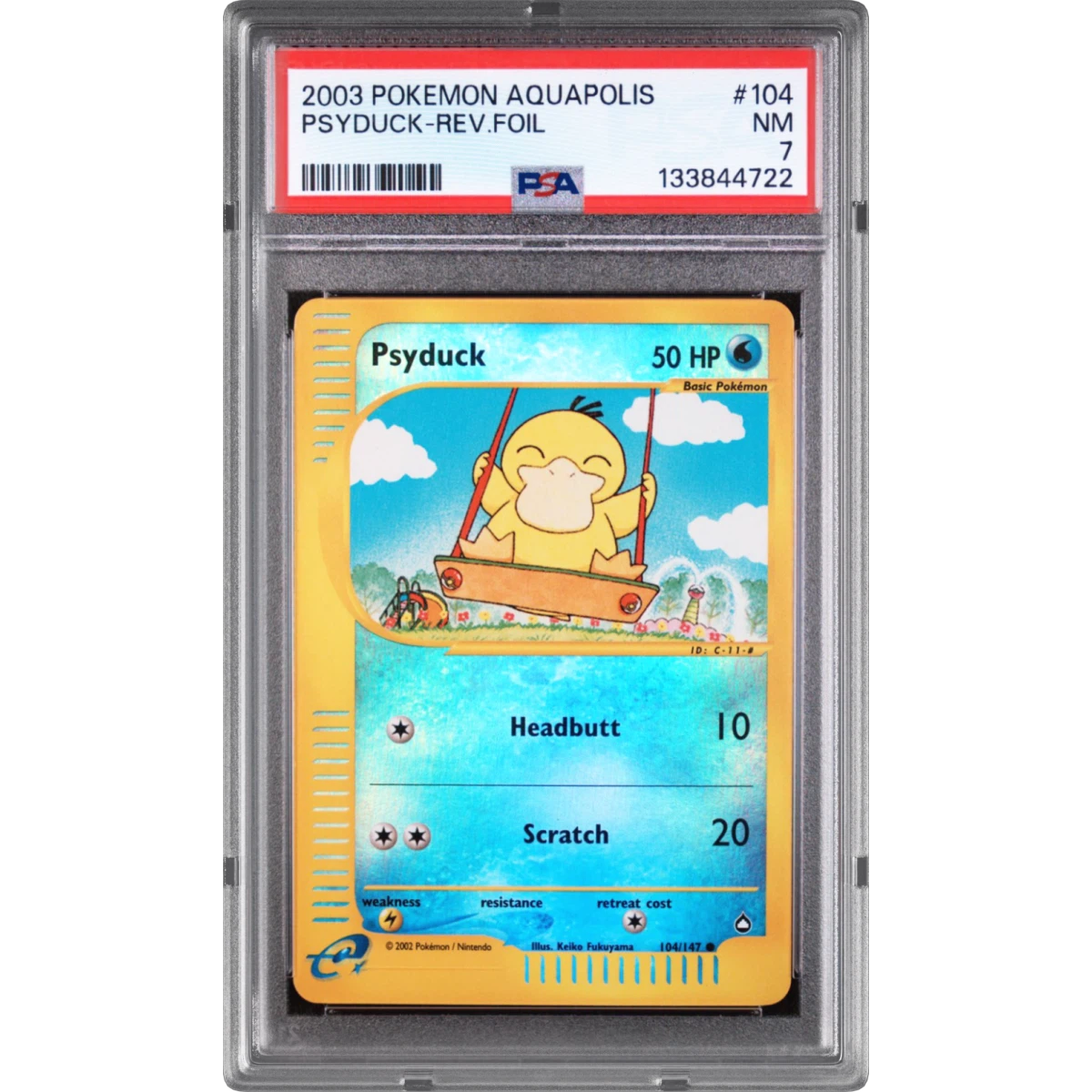
2003 Pokémon Aquapolis #104 Psyduck - Reverse Foil (PSA 7 NM)
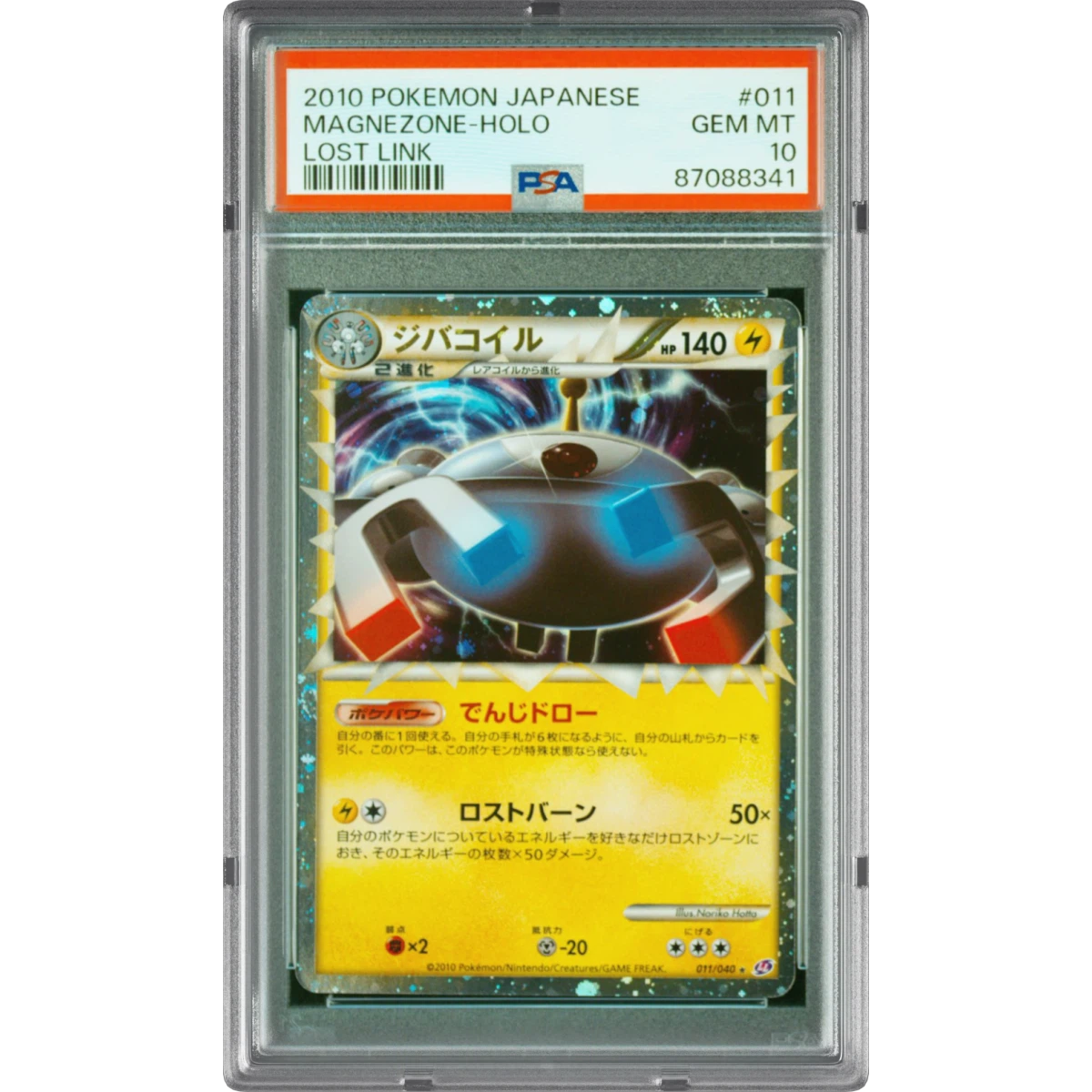
2010 Pokémon Lost Link #011 Magnezone - Holo (PSA 10 GEM MINT)
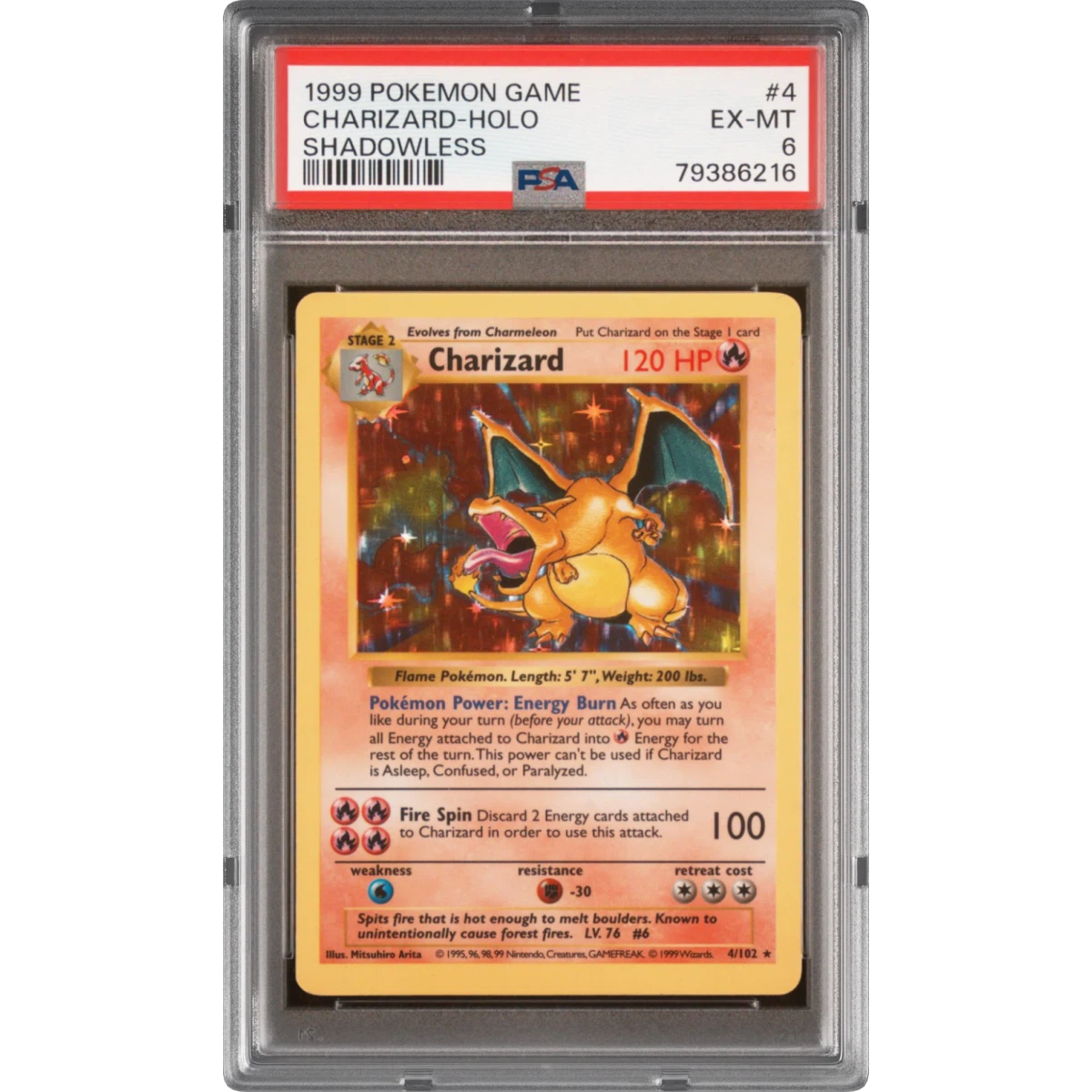
1999 Pokémon Game #4 Charizard - Holo Shadowless (PSA 6 EX-MT)
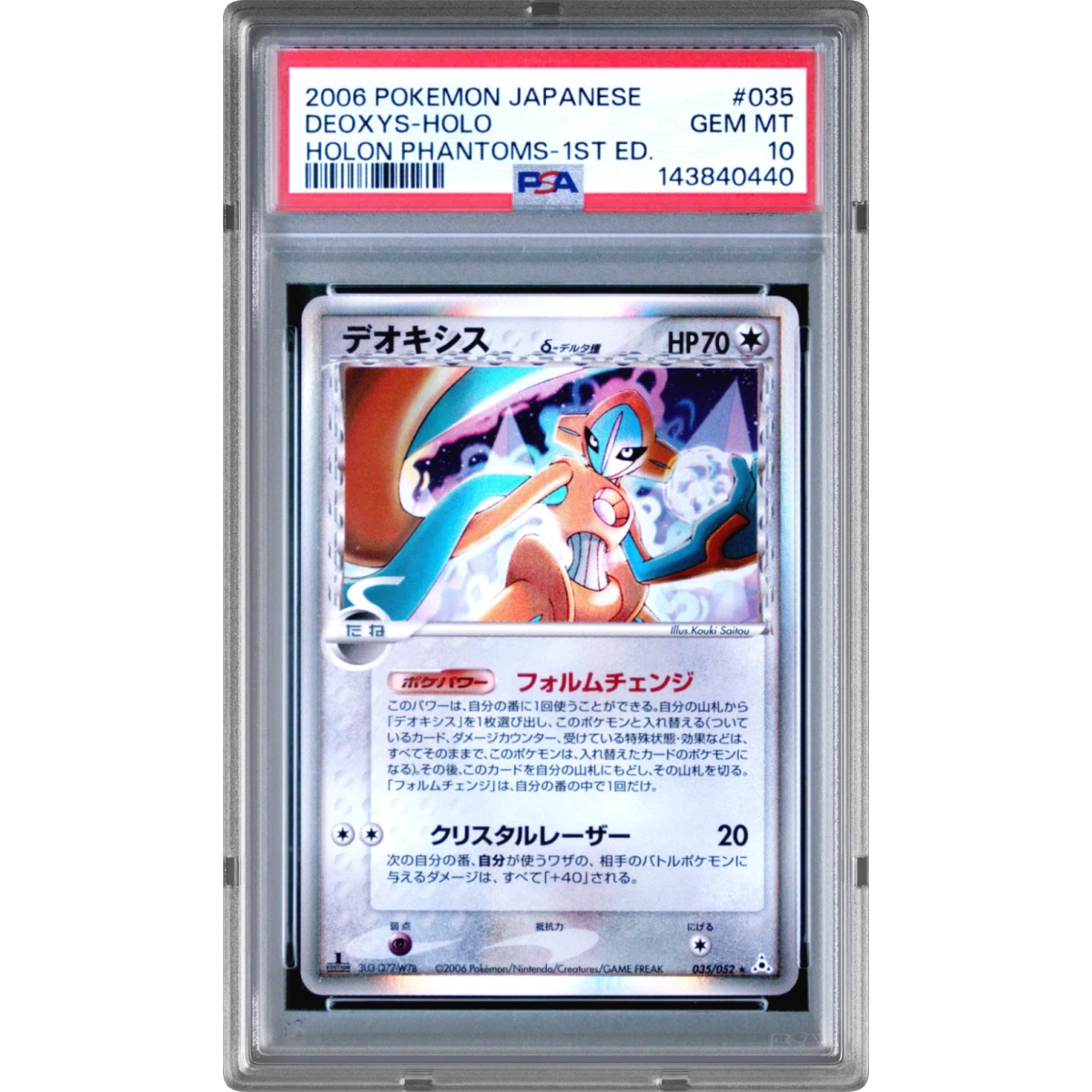
2006 Pokémon Holon Phantoms #035 Deoxys - 1st Edition Holo (PSA 10 GEM MINT)
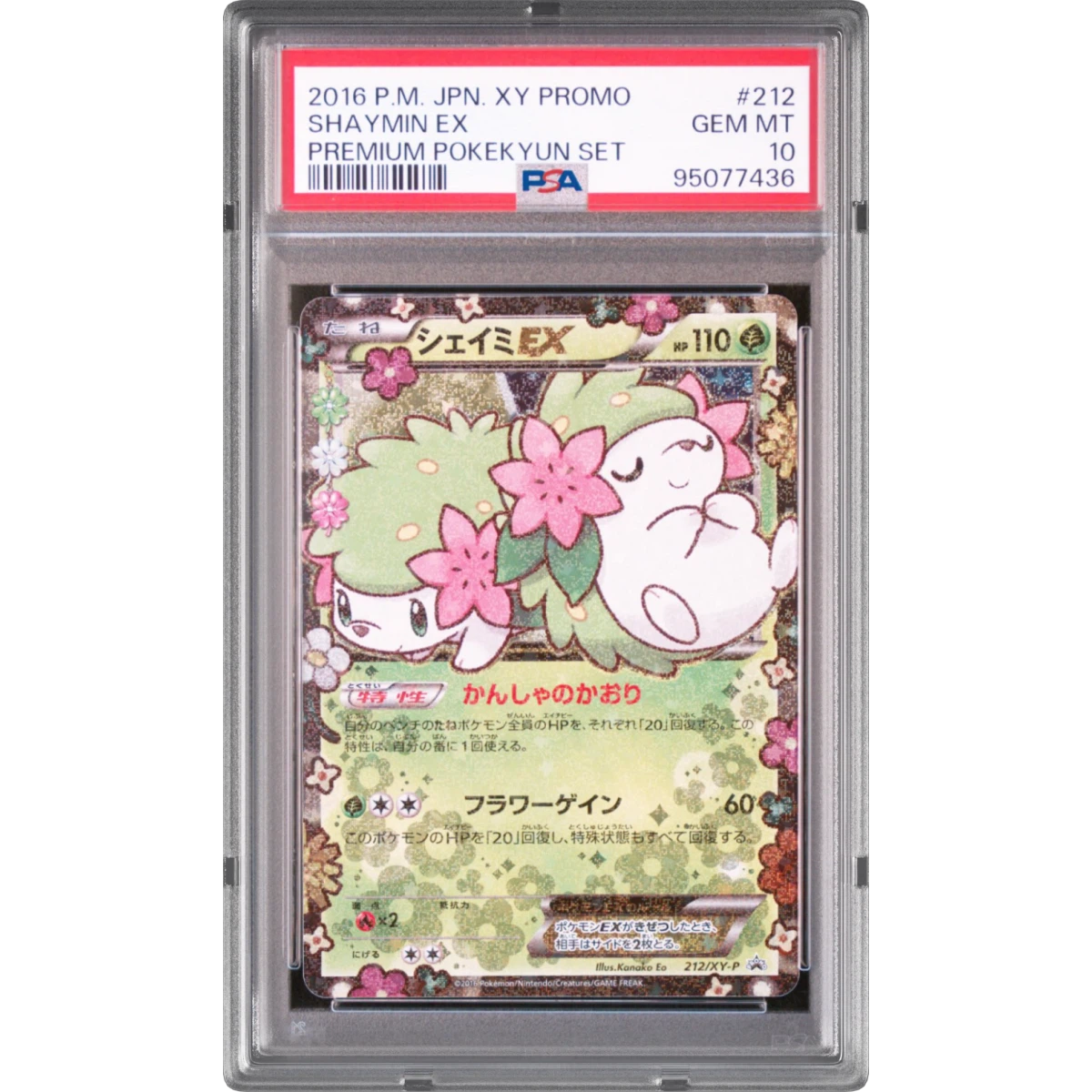
2016 Pokémon XY Promo #212 Shaymin EX - Holo Premium Pokekyun Set (PSA 10 GEM MINT)
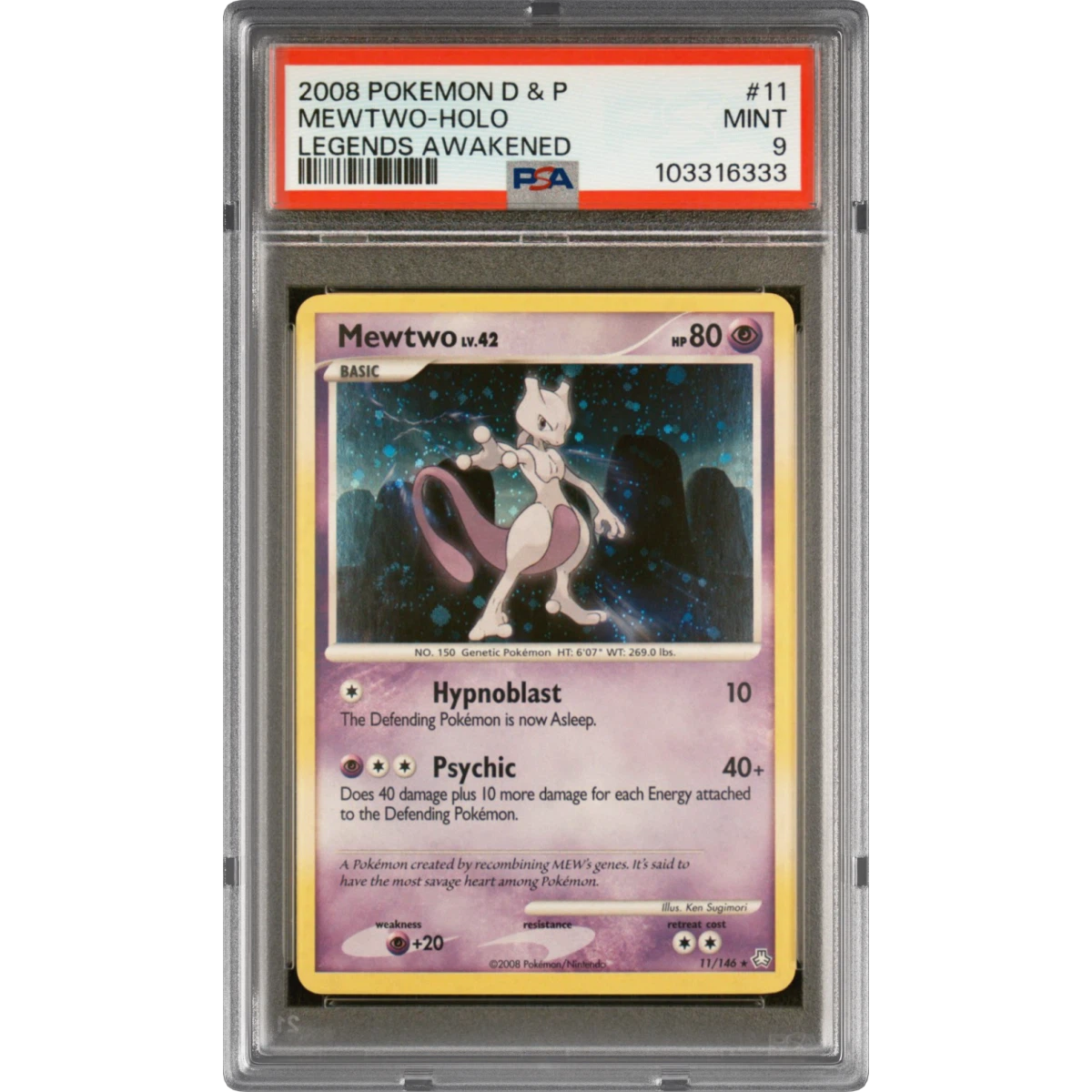
2008 Pokémon Diamond & Pearl Legends Awakened #11 Mewtwo - Holo (PSA 9 MINT)
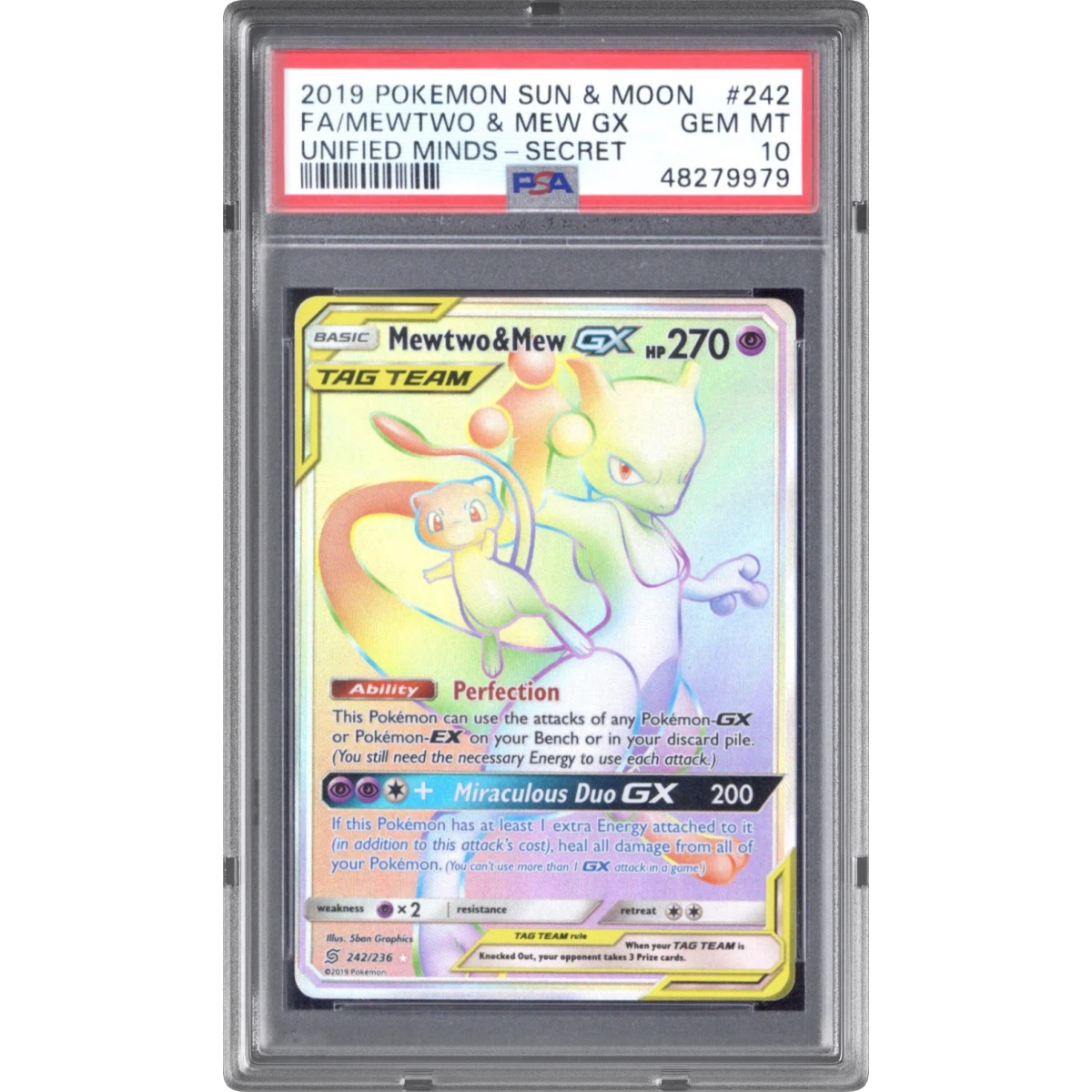
2019 Pokémon Sun & Moon Unified Minds #242 Mewtwo & Mew GX - Holo Full Art Secret (PSA 10 GEM MINT)
08 / EV history
Pokémon Diamond (Spicy) EV over time
Calibrated EV currently sits at $1,184.34, above the $999 pack price, and has moved up 10.8% over the last 7 days.
Cash-out ratio over time: 452 points from Sep 20 to Sep 27, starting at 0.91x and ending at 1.00x, up overall (+10.8%), ranging between 0.87x and 1.00x.
09 / Quick answers
Pokémon Diamond (Spicy) — quick answers
- Is Pokémon Diamond (Spicy) worth buying right now?
- Our current verdict is CAUTION (score 64/100). The average only beats the price because of one card. Drop this pack's single biggest recent pull and cash-out EV falls to $872.12 against a $999 price — so the buy case rests on that one pull repeating.
- What is the EV of Pokémon Diamond (Spicy)?
- The calibrated EV is $1,184.34 against a pack price of $999.00, with a typical (median) pull of $848.00 across 59 indexed pulls.
- What are the real odds of beating the pack price on Pokémon Diamond (Spicy)?
- 30.5% of indexed pulls met or beat the pack price, and 8.5% returned at least double the price. These are observed odds reconstructed from real pulls, not the posted odds.
- What is the typical pull from Pokémon Diamond (Spicy)?
- The median pull is $848.00 — half of all indexed rips returned less than that. The single best recorded pull is $3,551.60.
10 / Pull log
Latest Pokémon Diamond (Spicy) pulls
- 2022 Pokémon Sword & Shield Lost Origin #186 Giratina V - Holo Full Art (PSA 10 GEM MINT)$3,551.603d ago
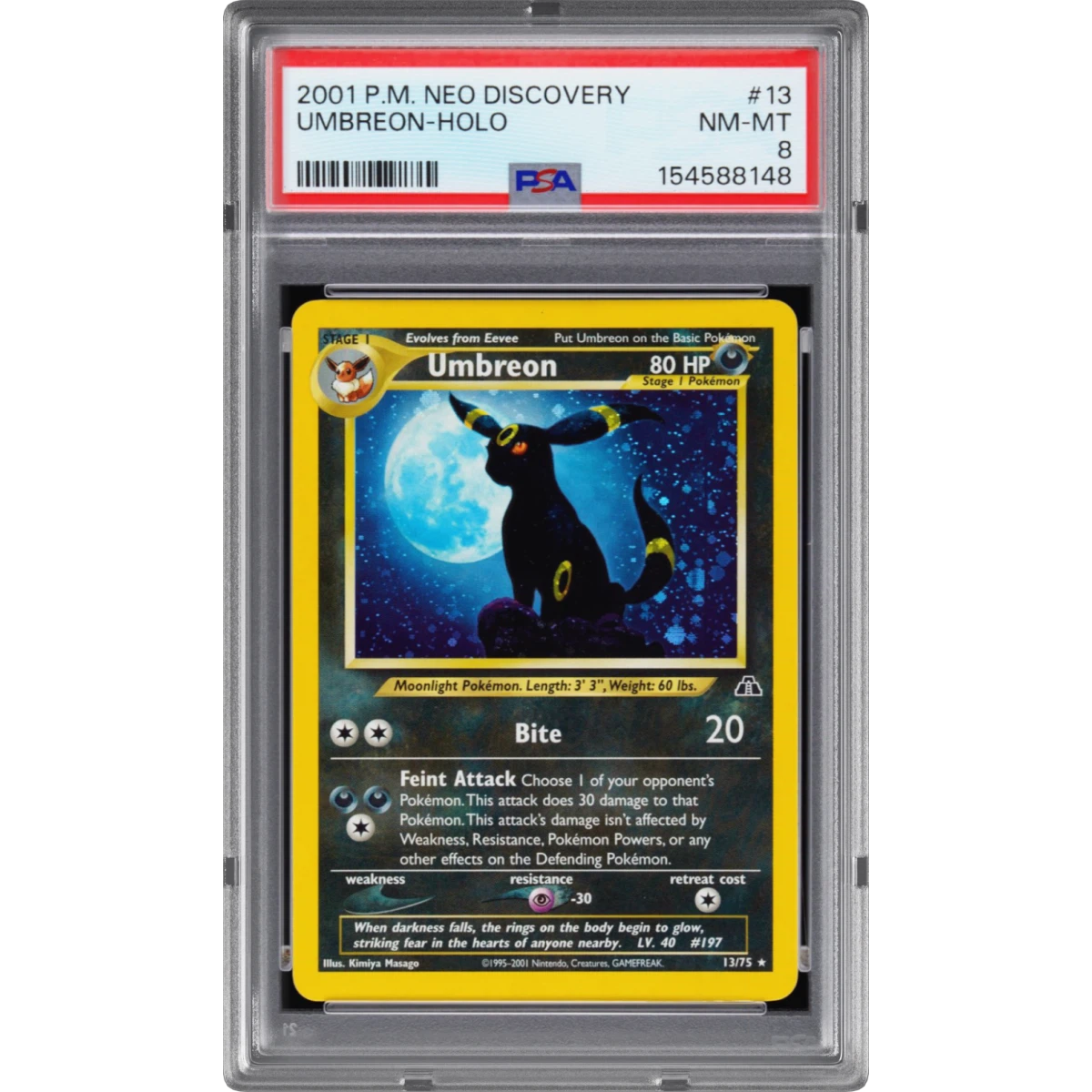 2001 Pokémon Neo Discovery #13 Umbreon - Holo (PSA 8 NM-MT)$1,111.804d ago
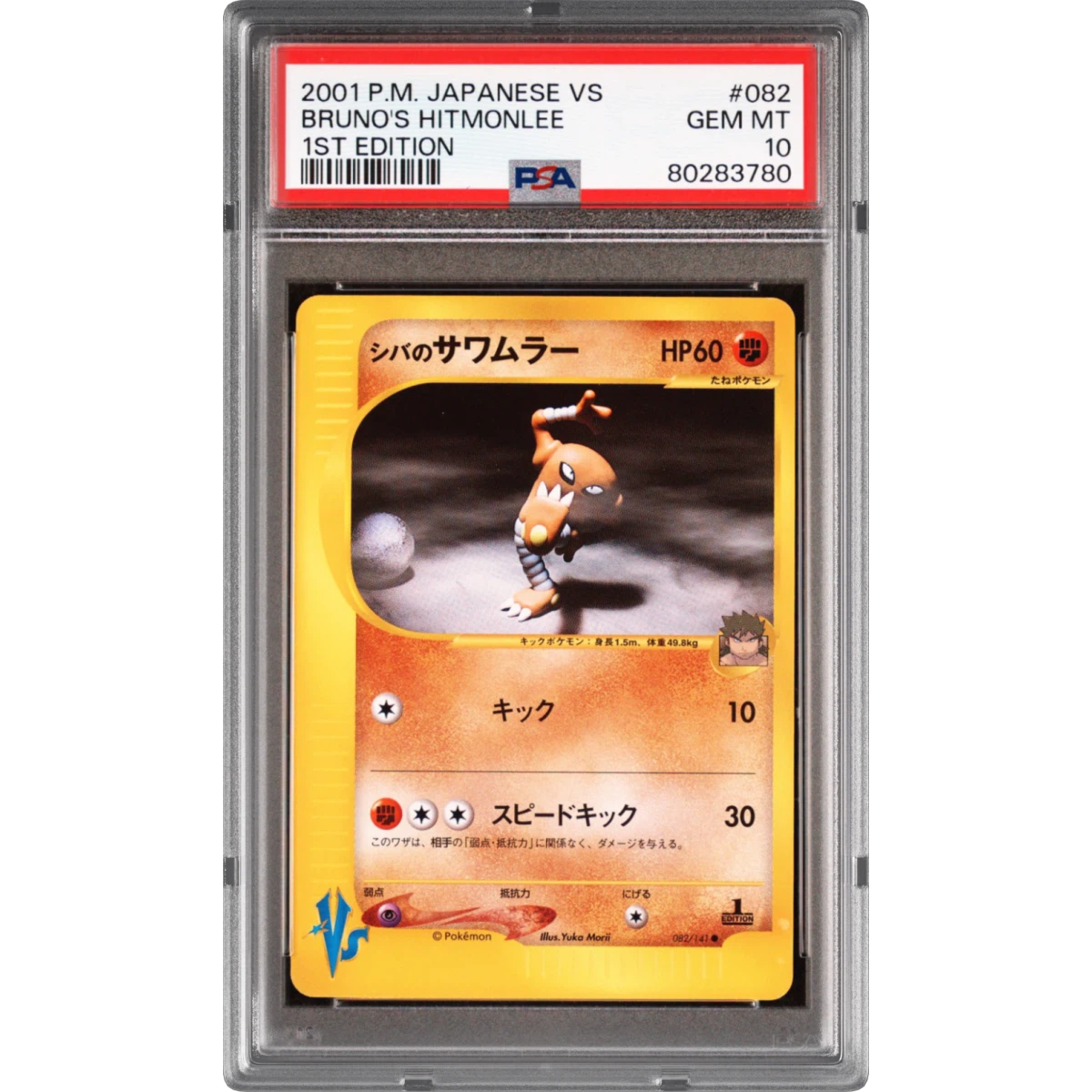 2001 Pokémon VS #082 Bruno's Hitmonlee - 1st Edition (PSA 10 GEM MINT)$731.004d ago
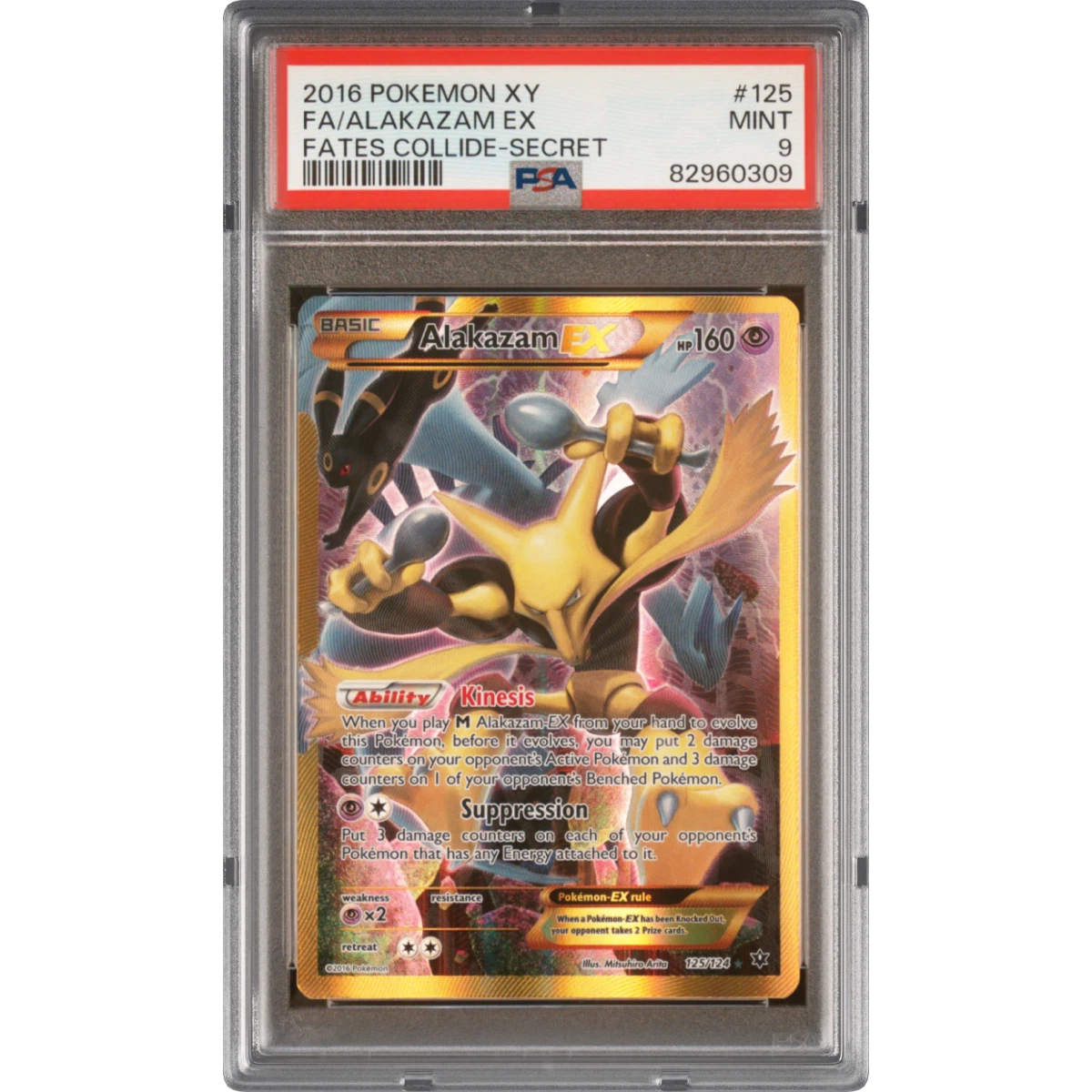 2016 Pokémon XY Fates Collide #125 Alakazam EX - Holo Full Art Secret (PSA 9 MINT)$603.005d ago
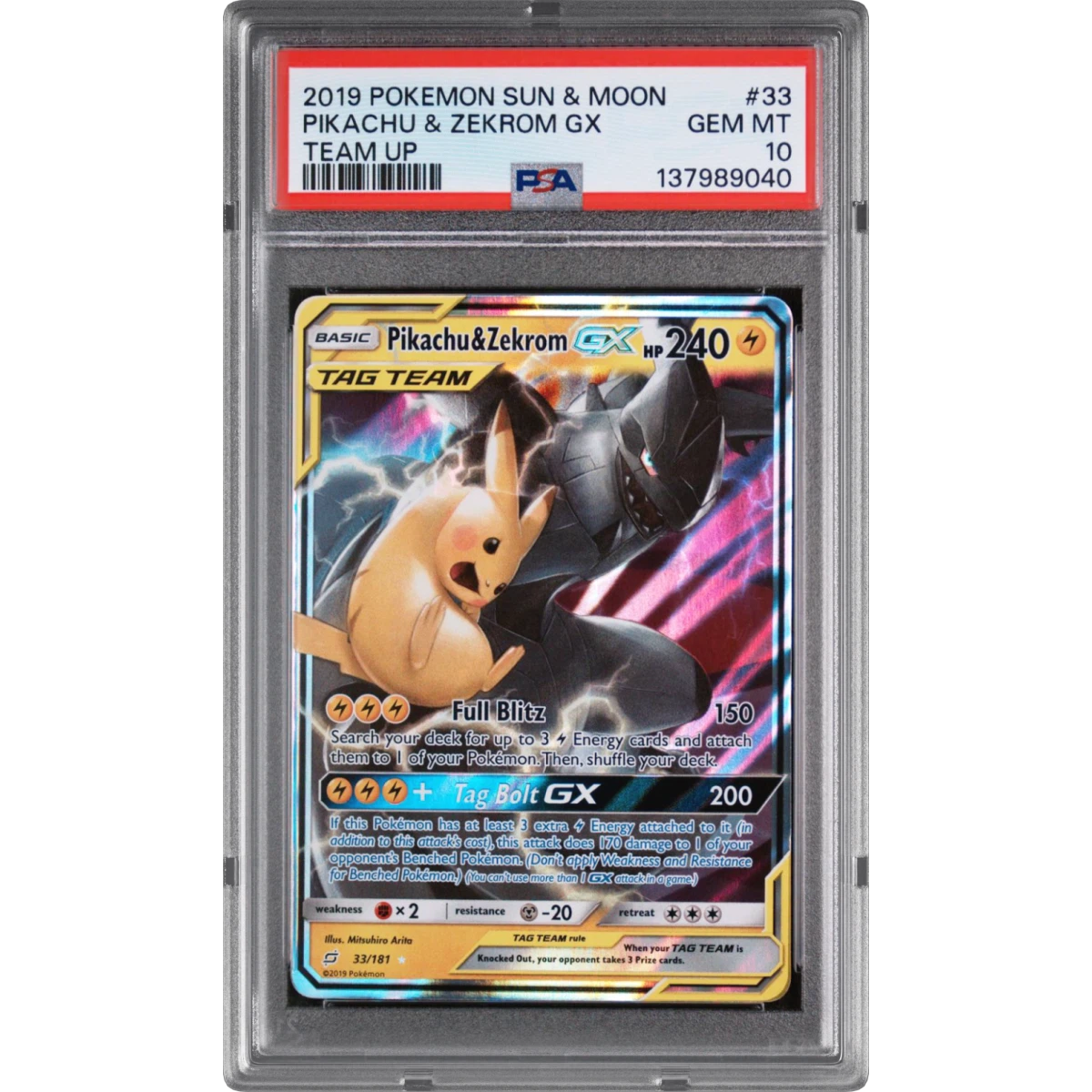 2019 Pokémon Sun & Moon Team Up #33 Pikachu & Zekrom GX - Holo (PSA 10 GEM MINT)$605.705d ago
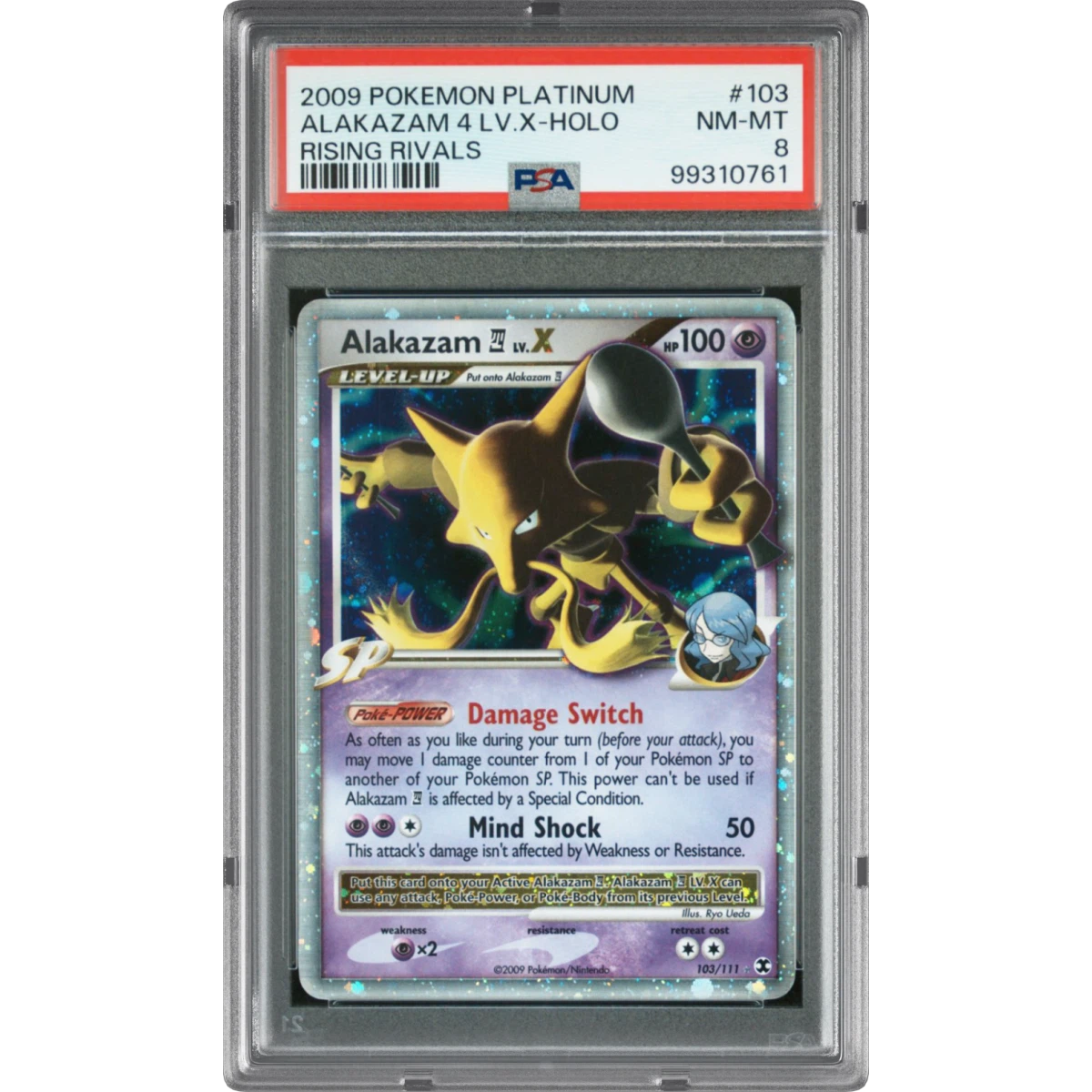 2009 Pokémon Platinum Rising Rivals #103 Alakazam 4 LV.X - Holo (PSA 8 NM-MT)$588.005d ago
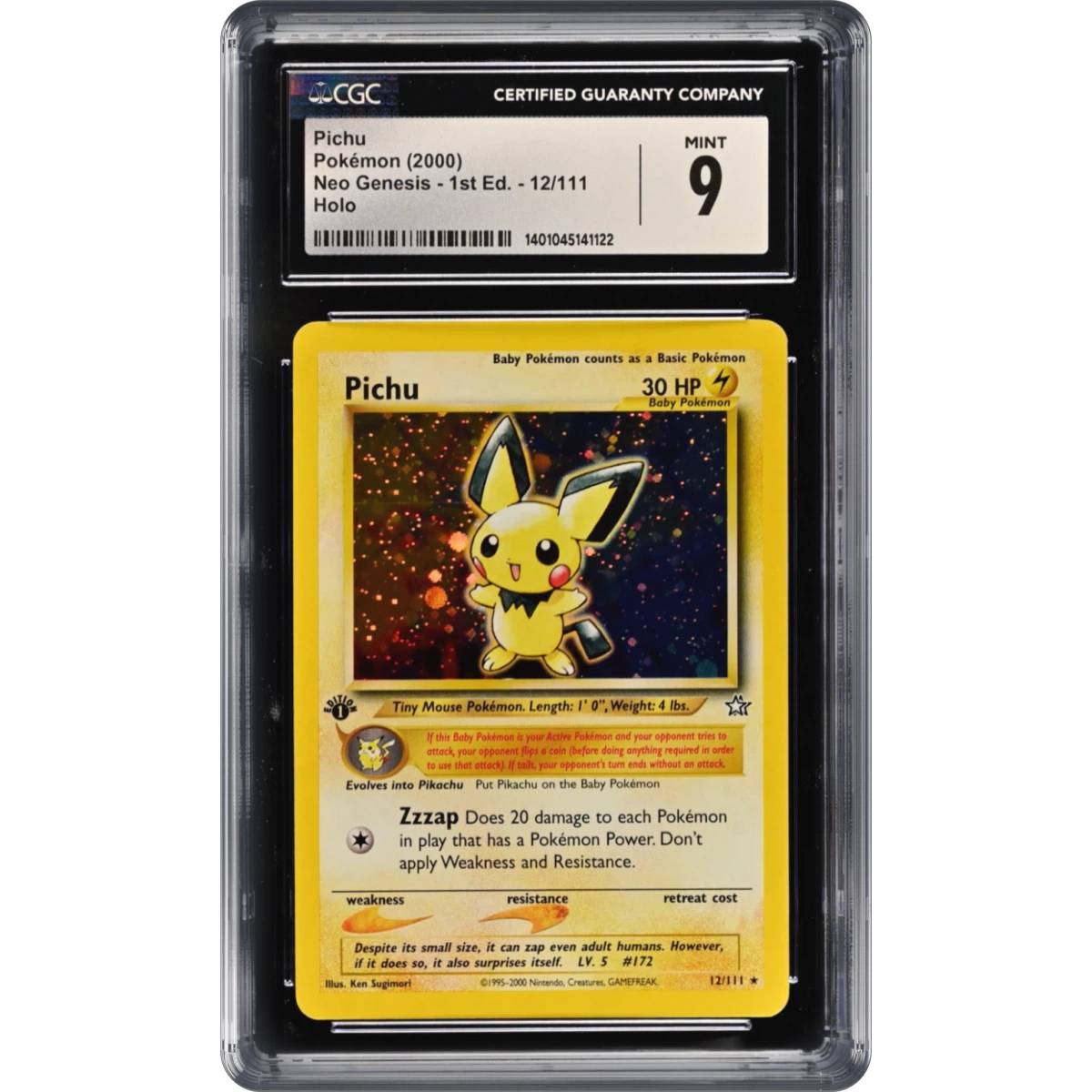 2000 Neo Genesis #12/111 Pichu - 1st Edition Holo (CGC 9 MINT)$834.205d ago
- 2010 Pokémon Lost Link #011 Magnezone - Holo (PSA 10 GEM MINT)$2,296.005d ago
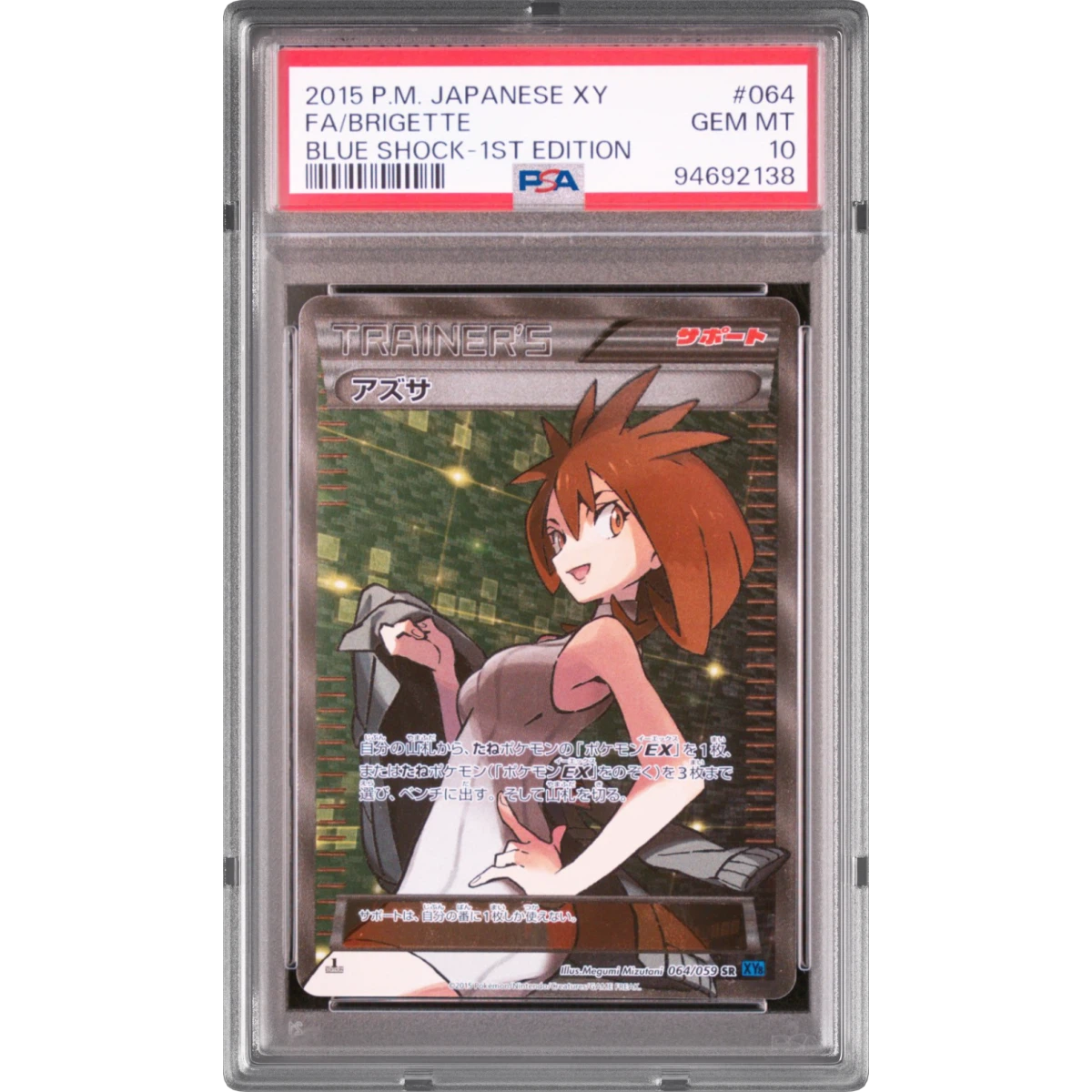 2015 Pokémon XY Blue Shock #064 Brigette - 1st Edition Full Art (PSA 10 GEM MINT)$848.008d ago
- 1999 Pokémon Game #4 Charizard - Holo Shadowless (PSA 6 EX-MT)$2,236.809d ago
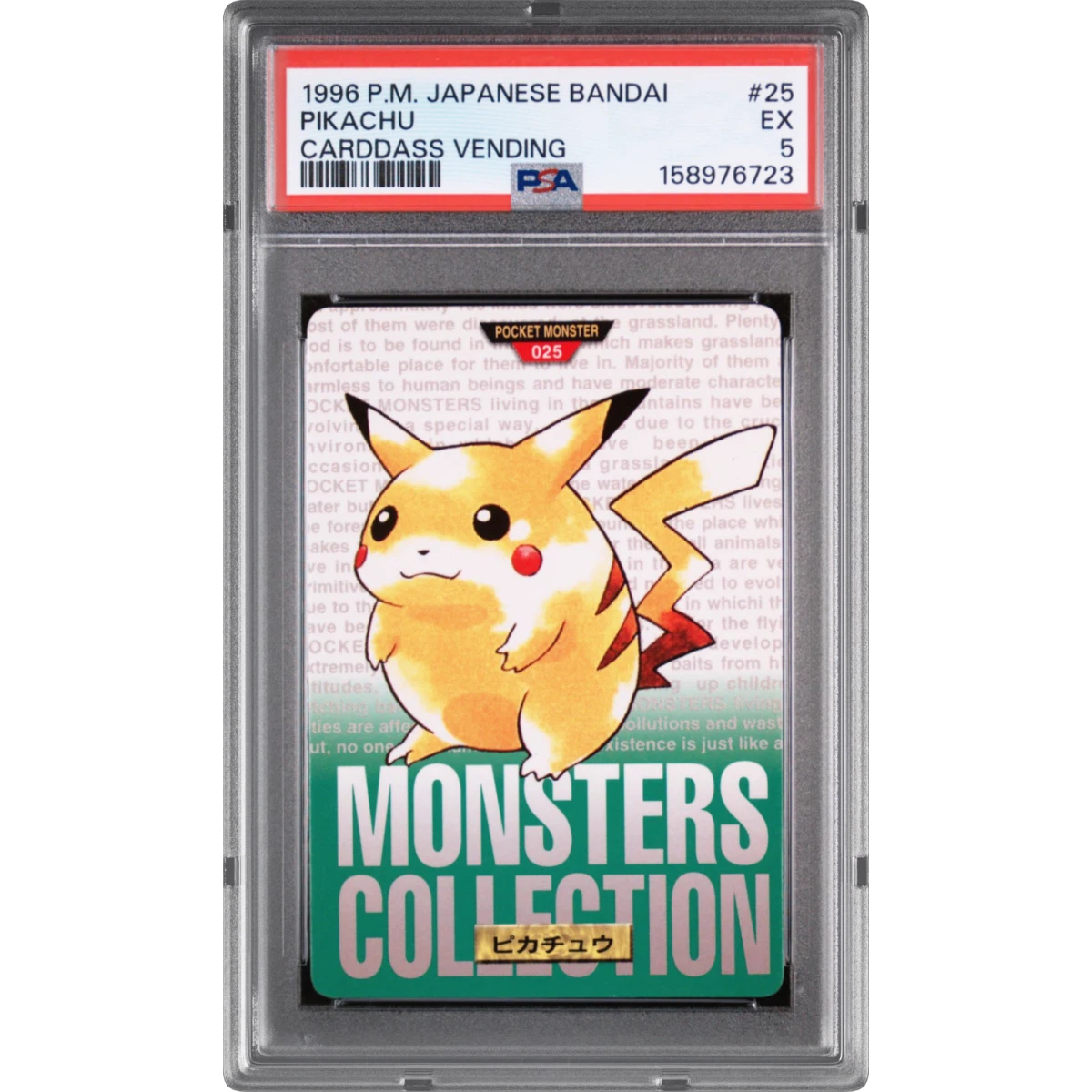 1996 Pokémon Bandai Carddass Vending #25 Pikachu (PSA 5 EX)$599.0010d ago
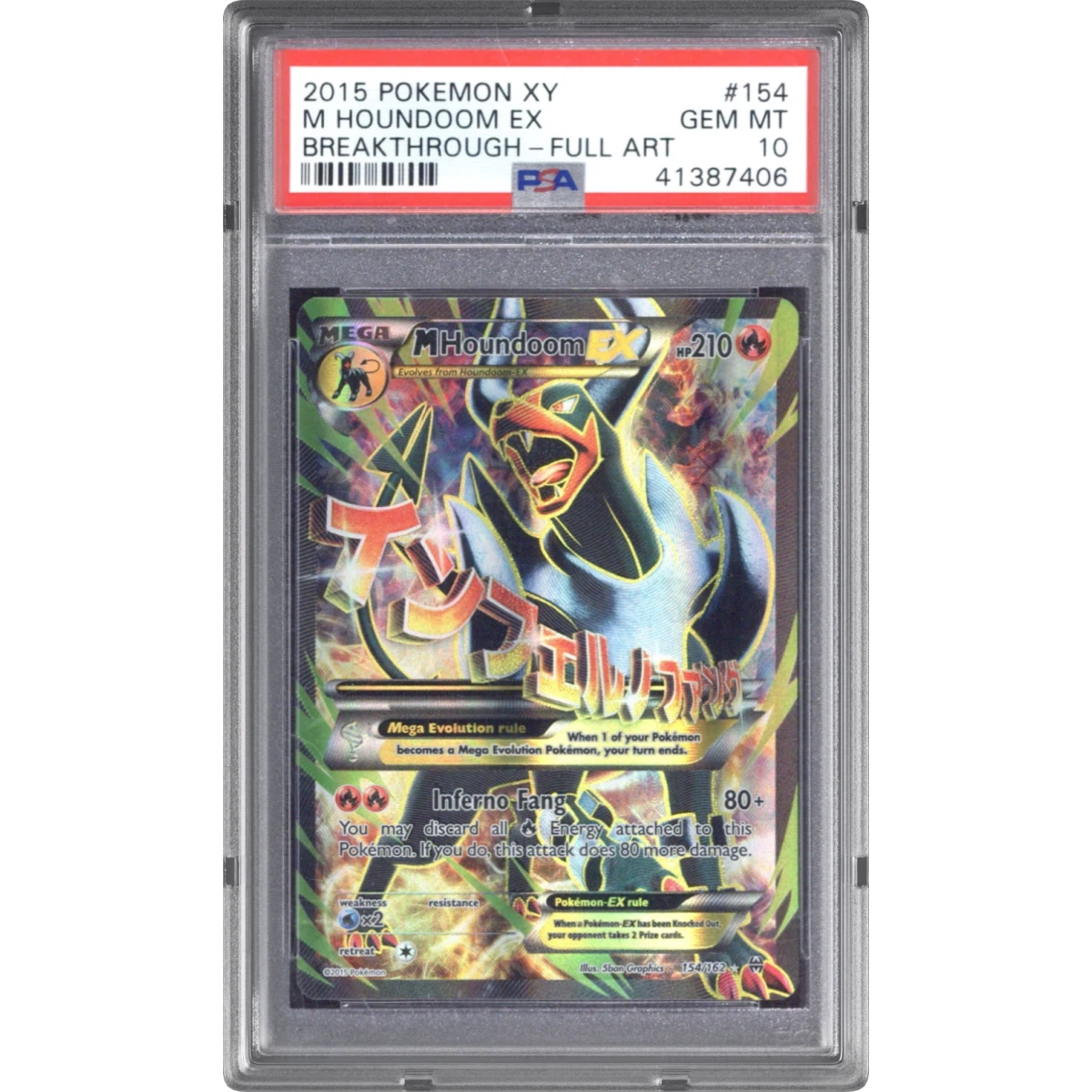 2015 Pokémon XY Breakthrough #154 M Houndoom EX - Holo Full Art (PSA 10 GEM MINT)$987.9010d ago
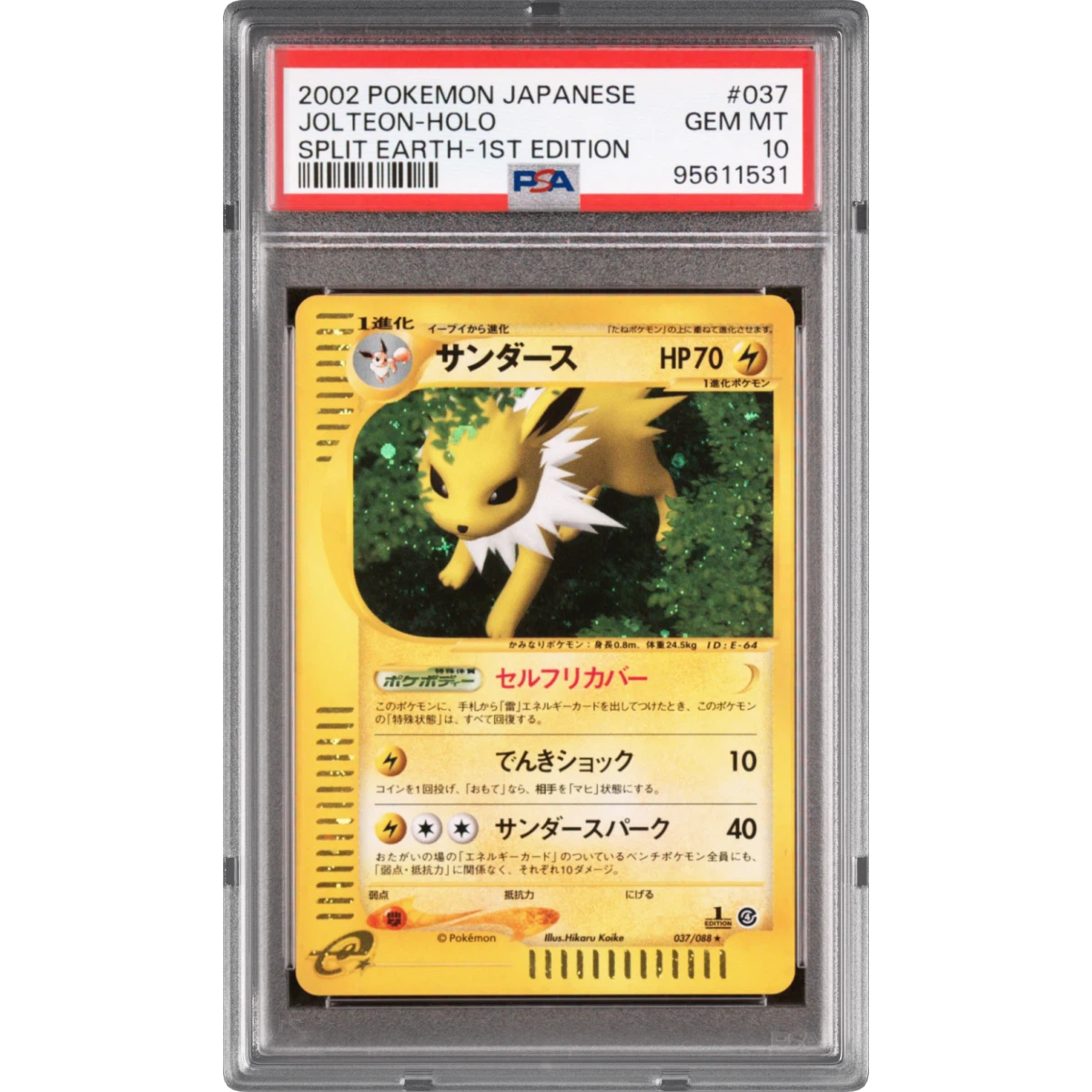 2002 Pokémon Split Earth #037 Jolteon - 1st Edition Holo (PSA 10 GEM MINT)$1,504.0010d ago
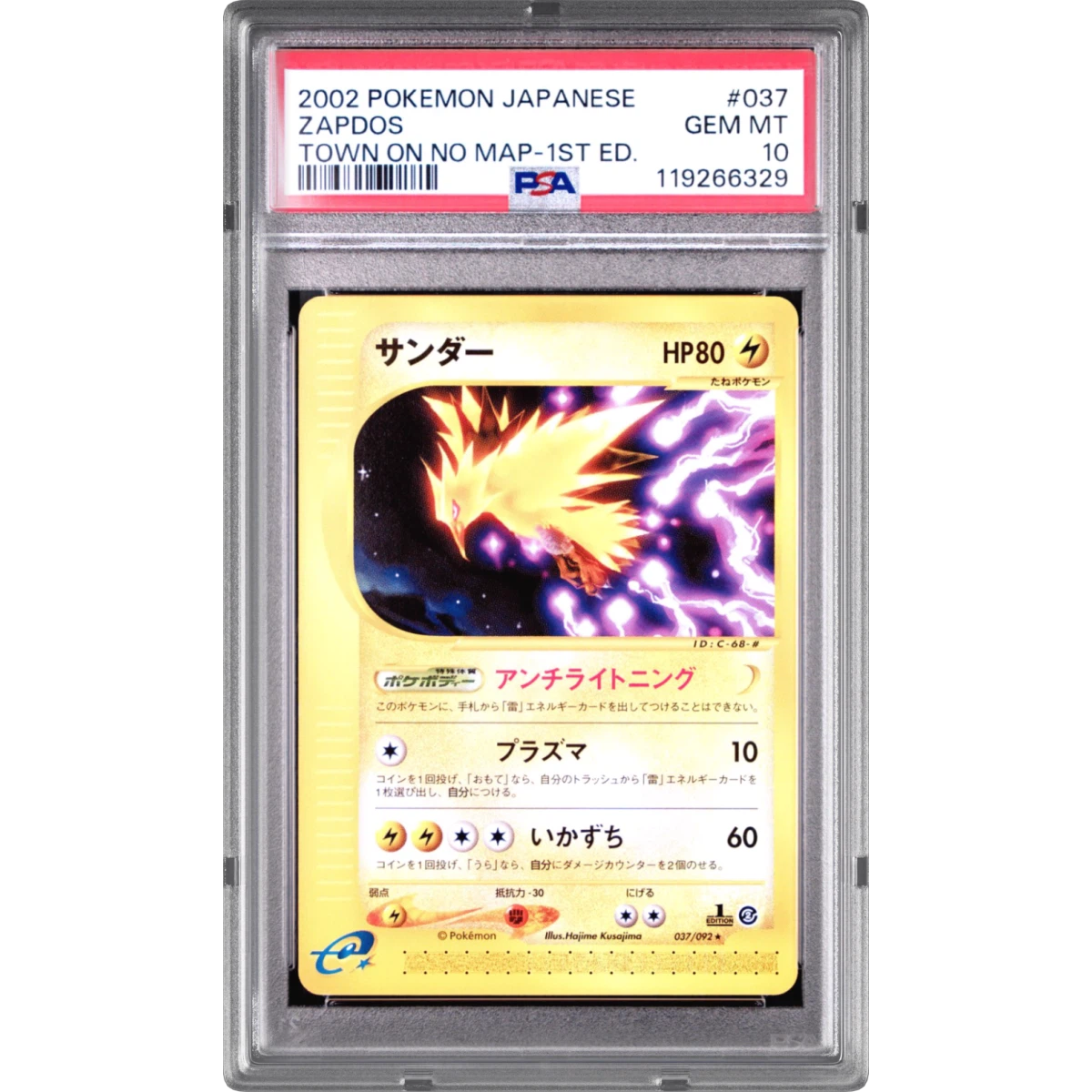 2002 Pokémon the Town on No Map #037 Zapdos - 1st Edition (PSA 10 GEM MINT)$915.5011d ago
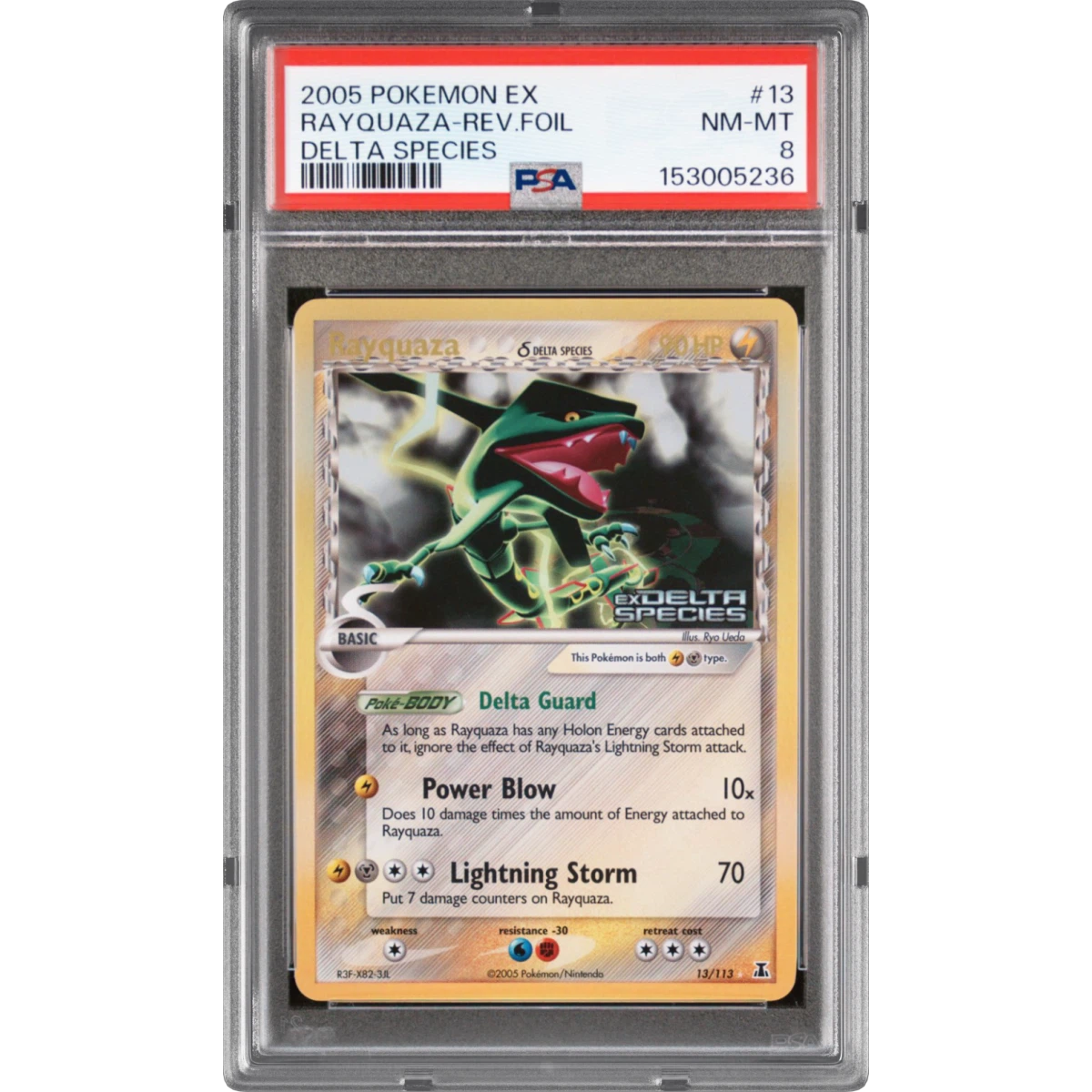 2005 Pokémon EX Delta Species #13 Rayquaza - Reverse Foil (PSA 8 NM-MT)$960.6011d ago
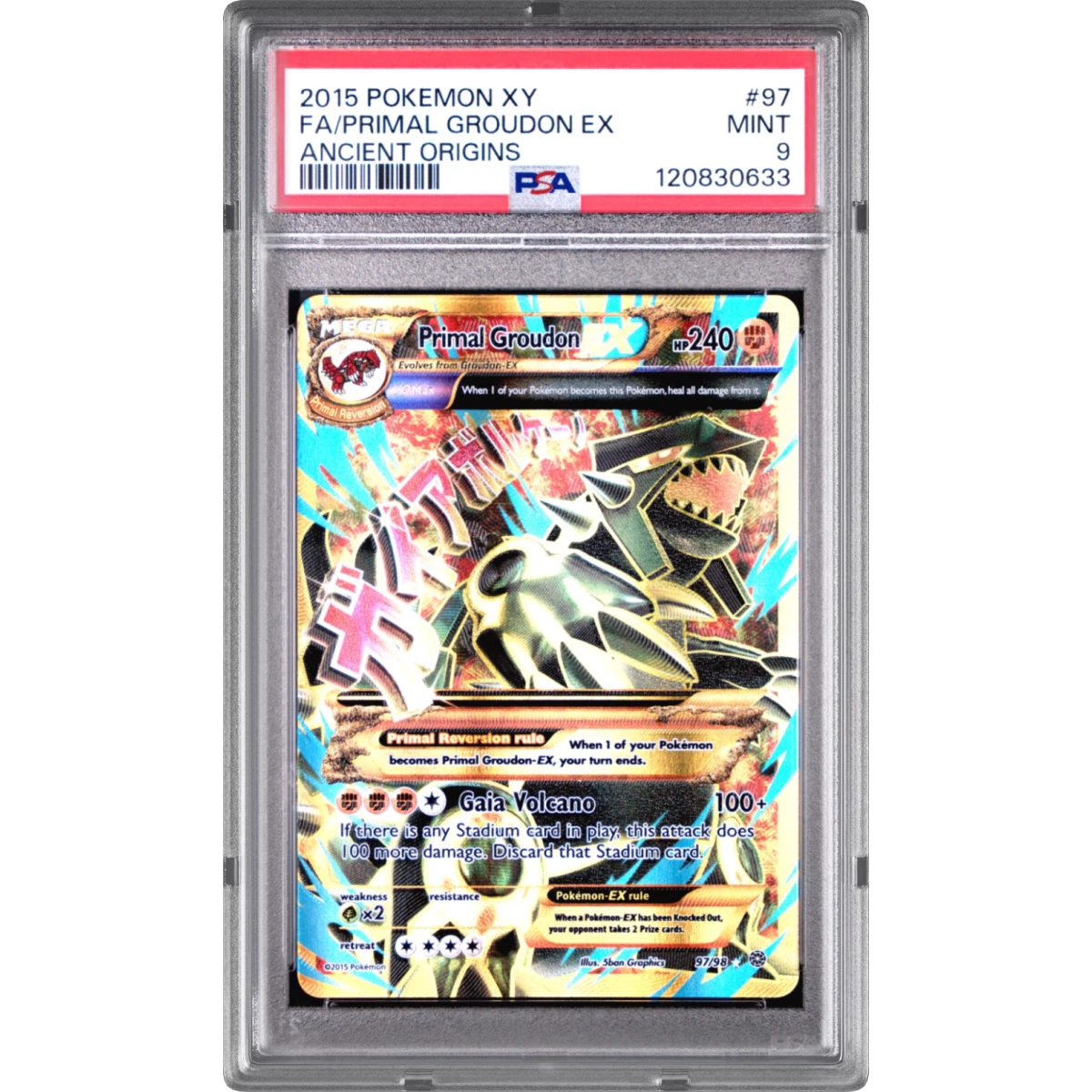 2015 Pokémon XY Ancient Origins #97 Primal Groudon EX - Holo Full Art (PSA 9 MINT)$760.1011d ago
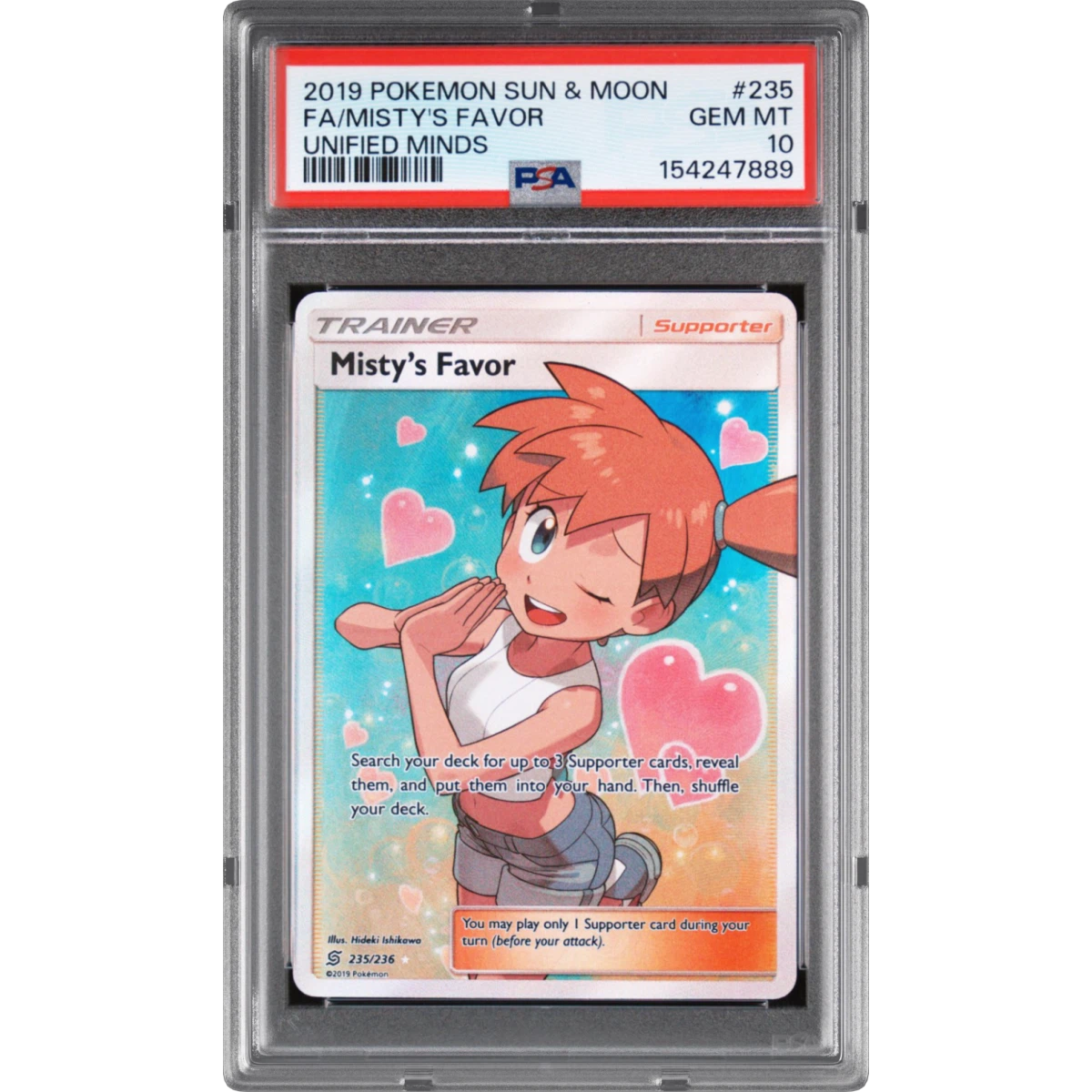 2019 Pokémon Sun & Moon Unified Minds #235 Misty's Favor - Full Art (PSA 10 GEM MINT)$773.0011d ago
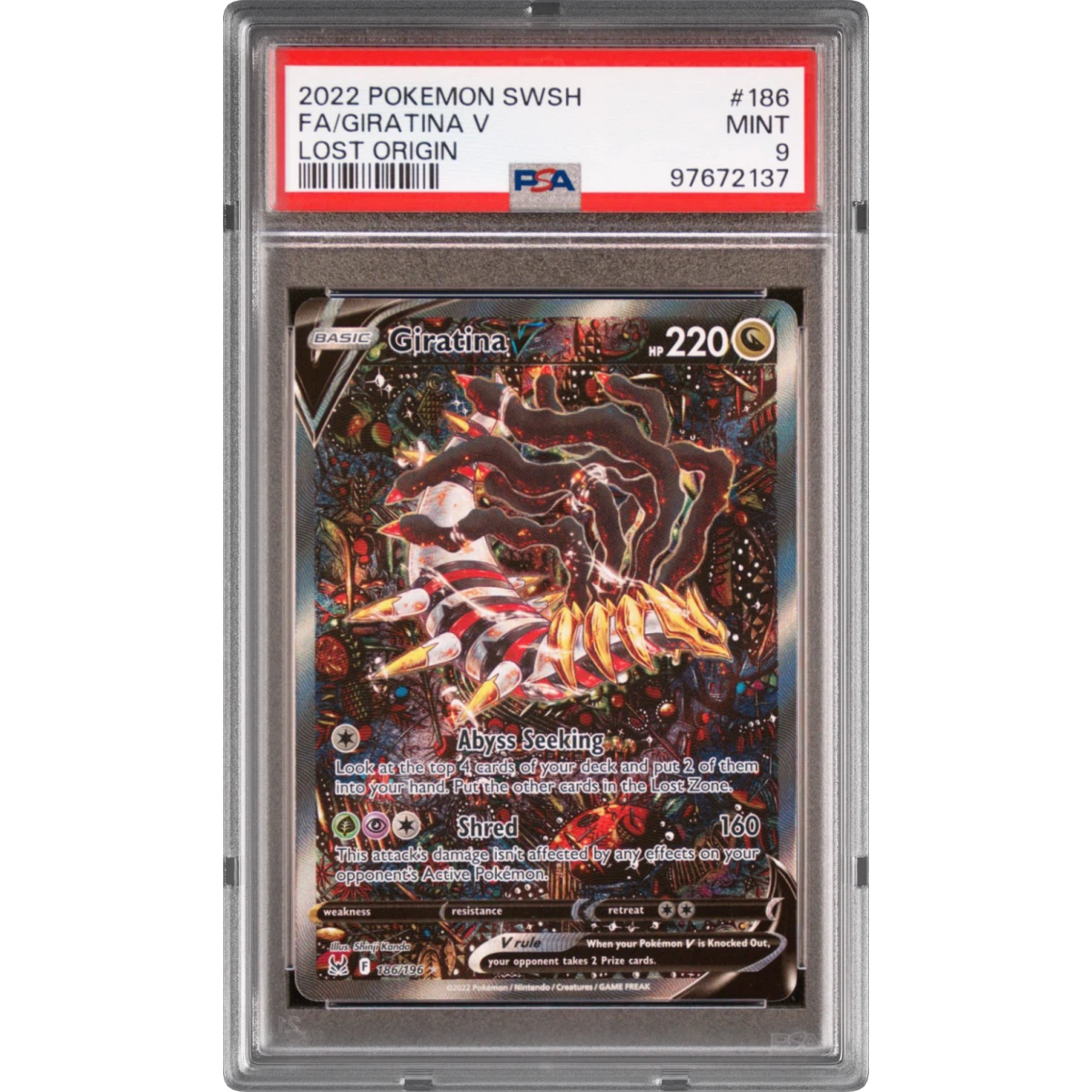 2022 Pokémon Sword & Shield Lost Origin #186 Giratina V - Holo Full Art (PSA 9 MINT)$876.7011d ago
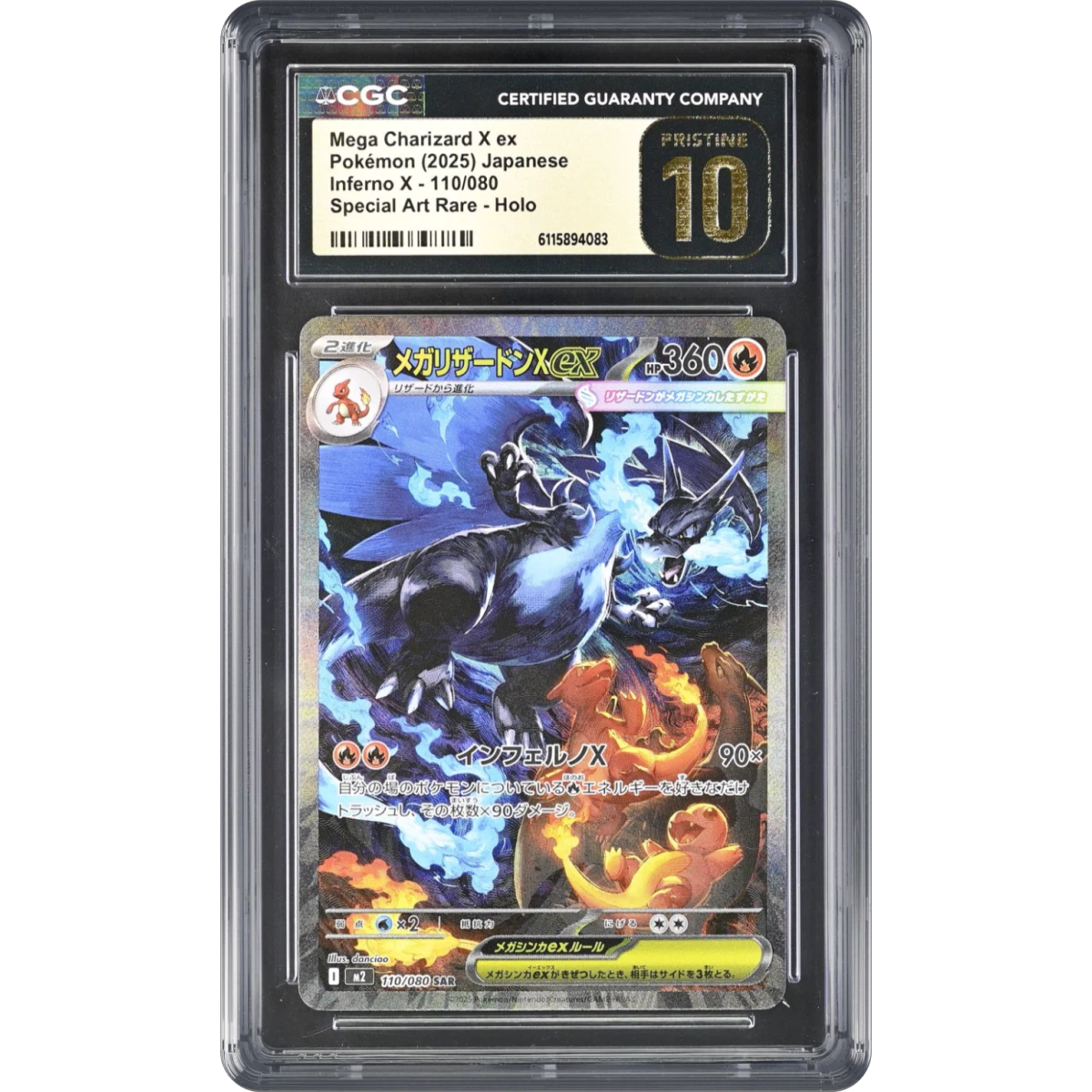 2025 Inferno X - M2 #110/080 Mega Charizard X ex - Special Art Rare Holo (CGC 10 PRISTINE)$975.6011d ago
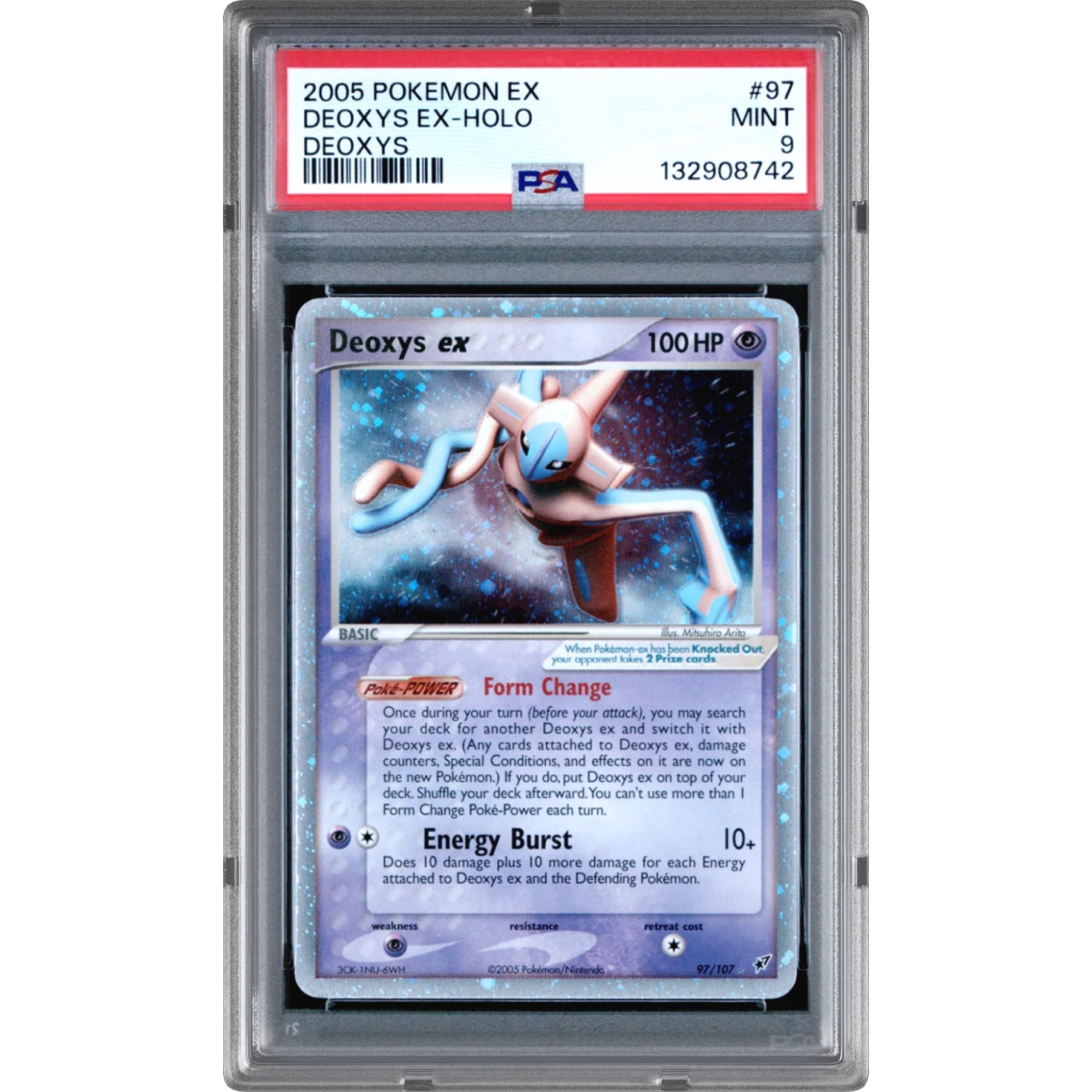 2005 Pokémon EX Deoxys #97 Deoxys EX - Holo Holo (PSA 9 MINT)$1,600.0011d ago
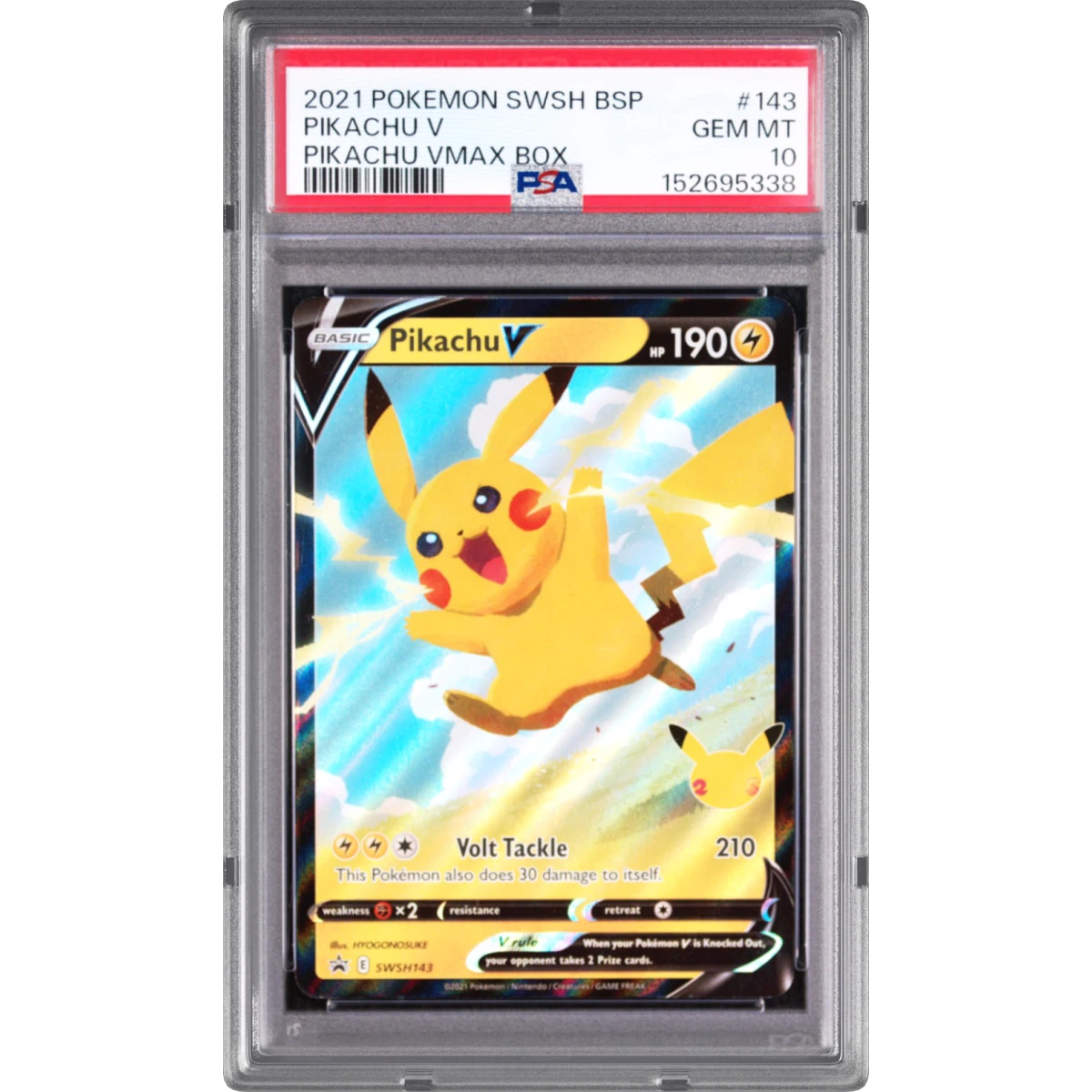 2021 Pokémon Swsh Black Star Promo #143 Pikachu V - Holo Pikachu Vmax Box (PSA 10 GEM MINT)$776.1012d ago
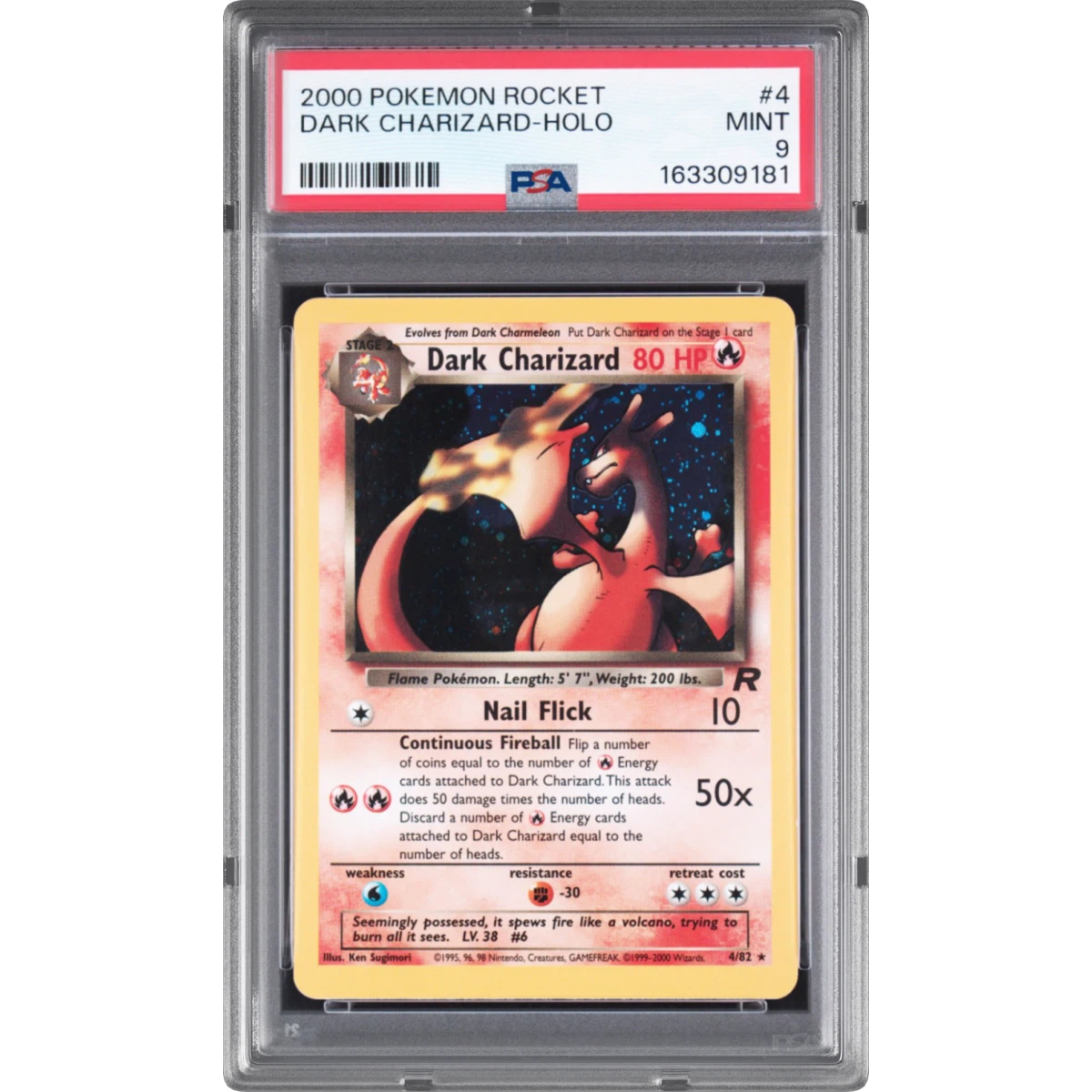 2000 Pokémon Rocket #4 Dark Charizard - Holo (PSA 9 MINT)$881.5012d ago
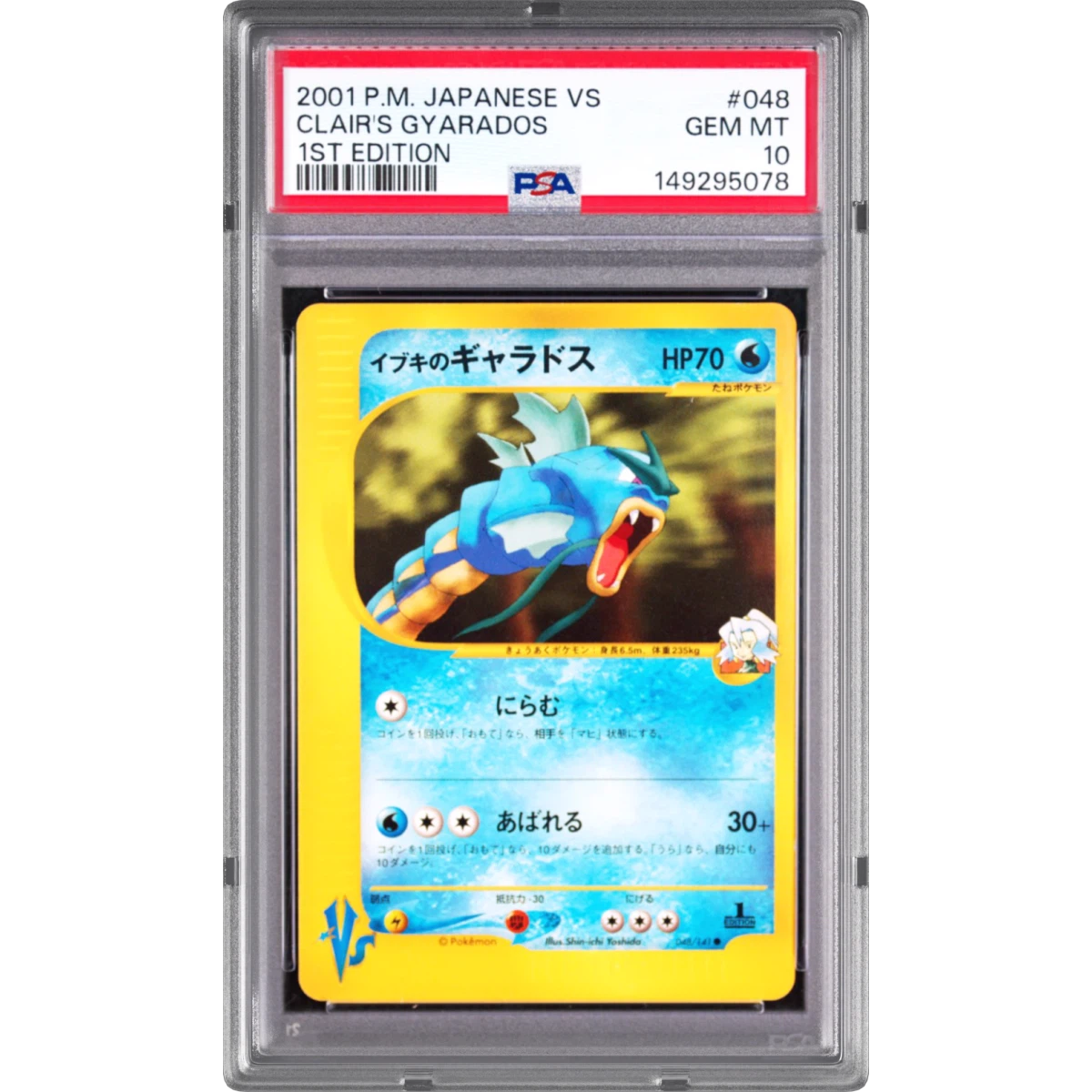 2001 Pokémon VS #048 Clair's Gyarados - 1st Edition (PSA 10 GEM MINT)$1,050.0012d ago
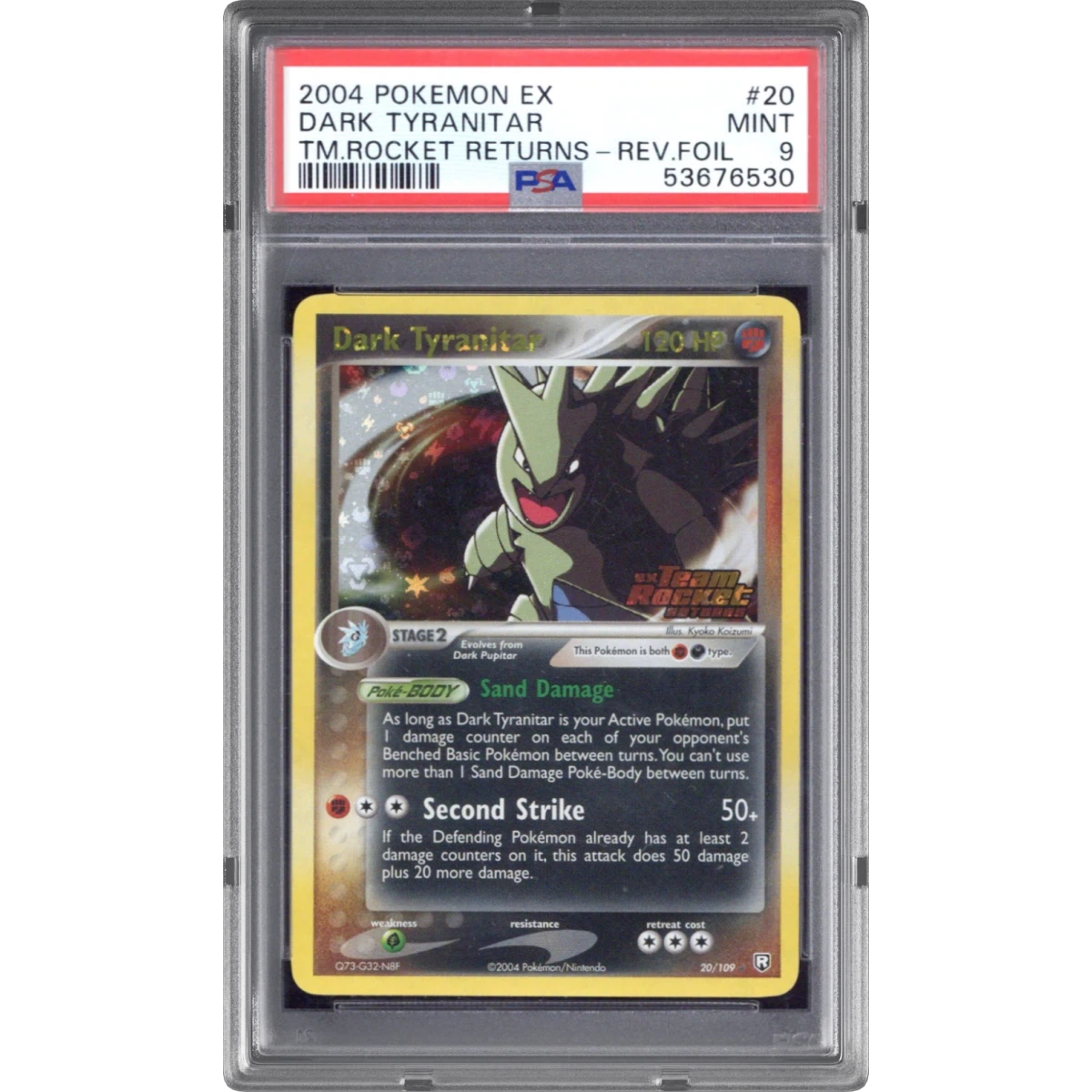 2004 Pokémon EX Team Rocket Returns #20 Dark Tyranitar - Reverse Foil (PSA 9 MINT)$1,310.3012d ago
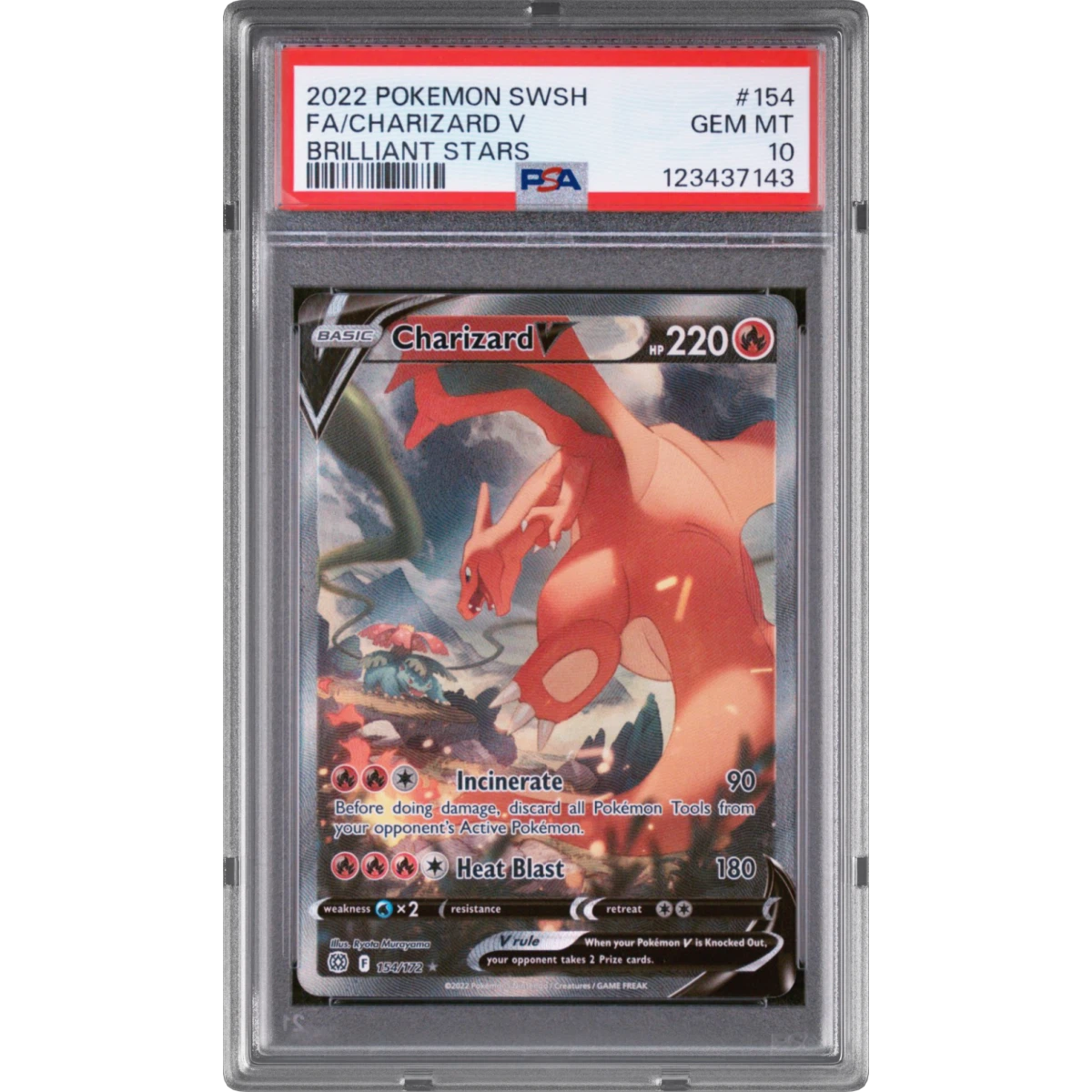 2022 Pokémon Sword & Shield Brilliant Stars #154 Charizard V - Holo Full Art (PSA 10 GEM MINT)$782.4012d ago
- Free shows the latest 25 pulls. Pro unlocks the full history + CSV export →
Compare Pokémon Diamond (Spicy) with other Pokémon packs
Same math, same methodology — cash-out ratios after each pack's own buyback, so the comparison is apples to apples.
- Pokémon VIP CosmicEV $8,256SET PACK PRICE
- Pokémon Mythic Pack0.746x cash-out · EV $4,246 · hit rate 19.1%HOUSE EDGE
- Pokémon Legend (Spicy)0.950x cash-out · EV $2,781 · hit rate 33.3%NEAR BREAK-EVEN
- Pokémon Legend Pack0.707x cash-out · EV $2,091 · hit rate 7.7%HOUSE EDGE
- Wildcard Diamond PackEV $1,722SET PACK PRICE
- Pokémon VIP (Spicy)EV $1,416SET PACK PRICE
Understand these numbers
Every figure on this page — EV, EV ratio, hit rate, dilution — is defined once and computed the same way for every pack.